

A Renter's Checklist for Philadelphia Grocery Access

A grocery run can shape your week more than a flashy amenity. When you are comparing Philadelphia apartments, grocery stores often look close on a map pin, but the real test is whether shopping fits your routine after a long workday or in bad weather.
Philadelphia has full supermarkets, neighborhood markets, produce stands, and specialty stores within walking distance of many rentals. Still, distance alone does not tell you whether an apartment will make essential services and daily life easier. Use this checklist before you apply.
Key Takeaways
Measure the actual walking route to ensure stores are within comfortable walking distance, rather than relying on the straight-line distance shown on a listing map.
Check for a full supermarket and a smaller market for last-minute basics.
Visit at the time you would normally shop, especially after work or on weekends.
Factor grocery delivery, public transit access, and storage space into your monthly budget.
Compare all required apartment fees and building amenities with base rent before signing a lease.
Philadelphia Apartments Grocery Stores: What to Check First
Start with the definition of "near." A store four blocks away can feel close on a clear afternoon. That same trip can feel much longer with two heavy bags, rain, icy sidewalks, or a tired dog waiting at home.
Open a map and set directions to the grocery options you would realistically use. Then switch to walking mode. Look for protected crossings, steep curbs, busy intersections, construction zones, and the route between the store and your apartment entrance. Checking the Walk Score can give you a baseline, but the actual journey depends on your specific block.
A practical target is a grocery stop within a 10 to 15-minute walk. However, your own routine matters more than a fixed number. Someone who cooks most nights in a neighborhood like University City may want a full supermarket nearby. A renter who works late in Northern Liberties might value a dependable walkable market with longer hours.
A nearby store only saves time when its prices, hours, and selection match the way you actually shop.
Also look beyond one attractive grocery pin. If the closest place is a small specialty shop, it may be perfect for milk and snacks but expensive for weekly staples. A strong location gives you choices: a primary store for a full cart, a quick-stop market, and options for produce or cultural ingredients.
Before scheduling tours, get familiar with the city's neighborhood patterns through a Philadelphia neighborhood guide. Grocery access often changes block by block, even within the same neighborhood.
Walk the Route With Bags in Mind
Don't rely on a leasing agent's estimate. Walk the route yourself if possible. Bring a backpack or reusable tote to get a better sense of the trip.
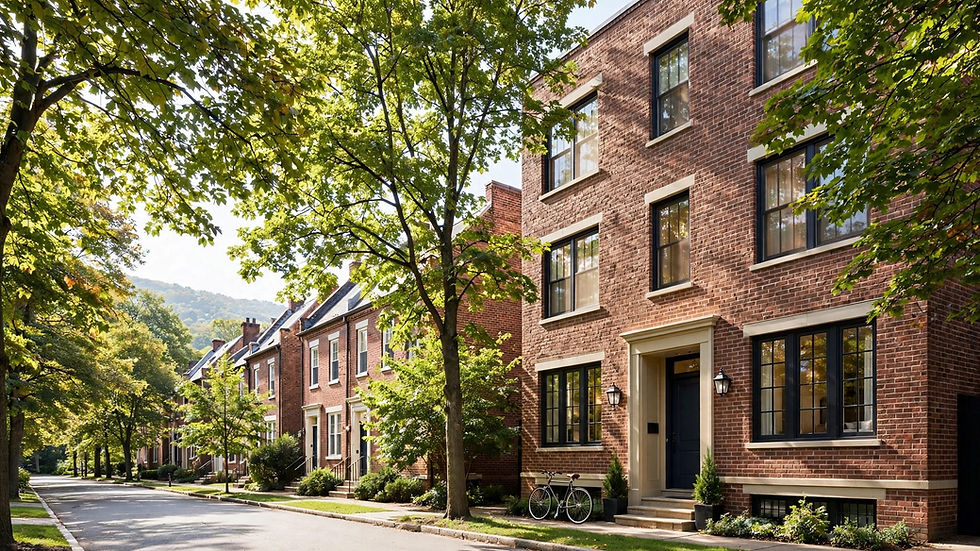
Pay attention to where you enter the building. A grocery store might sit five minutes from the front of the block, while your apartment building unit is farther through a courtyard, lobby, elevator, or long hallway. Those extra minutes matter when you shop several times each week.
Check these practical details during the walk:
Is the route well-lit if you shop after sunset?
Are sidewalks clear enough for a folding cart or stroller?
Can you cross major streets safely and comfortably?
Is there a place to lock a bike near the store and your building?
Does the apartment have an elevator if your unit is above the first floor?
For residents at The Columbia, the location at 2709 Cecil B. Moore Avenue puts daily errands within a North Philly setting where walking, biking, and transit can all play a role, sometimes complemented by convenient ground floor retail. A local Philadelphia neighborhood overview can help you compare the feel and practical services around different parts of the city.
If you drive, add another layer to the check. Look at parking rules near the store and the building. Loading two bags from a curb is different from carrying a full week's groceries from a garage several blocks away.
Match the Store to Your Actual Cart
A polished grocery store facade doesn't guarantee it has the food you buy. Visit before committing to a lease, then walk every aisle you use most.
For example, Center City has several established options. Trader Joe's is at 2121 Market Street, while GIANT at 60 North 23rd Street is open daily from 6 a.m. to 10 p.m. Whole Foods operates locations at 2101 Hamilton Street and 929 South Street. These can work well for renters who want broad selection and predictable hours, or for those who prefer browsing a full service grocery store for weekly meals.
Other shopping patterns are more specialized. Reading Terminal Market includes Iovine Brothers Produce for fruits, vegetables, juices, and nuts. Fair Food Farmstand at 51 North 12th Street sources produce, meat, dairy, cheese, and eggs from more than 90 local sustainable farmers, supplying fresh food that makes a neighborhood more appealing if healthy ingredients are a priority.
In Fishtown, Riverwards Produce at 2200 East Norris Street is a useful option for produce, bakery items, and organic groceries. Renters can also look for a nearby Grocery Outlet as a bargain market option, or visit a Target inside a local shopping center when they need household goods. Yet renters should still map the nearest large supermarket. A produce market can complement, rather than replace, a larger store for paper goods, frozen food, pantry staples, and household supplies.
Use your normal shopping list as a test. Check the cost and availability of the items you buy repeatedly, such as coffee, proteins, pet food, lunch basics, and cleaning supplies. If you follow a particular diet or cook regional dishes, make sure nearby stores carry the ingredients you need.
A good apartment near groceries supports your habits instead of pushing you toward costly convenience food.
Check Hours, Delivery, and Transit Backup
Store hours can make a modestly located market more useful than a larger supermarket that closes before you get there. Confirm the hours on the store's own website shortly before moving, because schedules can change.
Late-night access is especially useful for hospital staff, students, restaurant workers, and renters with long commutes. Smaller markets may stay open later, but their selection and prices can differ sharply from a full supermarket. Plan to use them for quick needs, not necessarily every weekly shop.
Delivery gives you another backup, particularly during extreme heat, snow, illness, or a packed workweek. Check whether Instacart, Amazon Fresh, or a store's own delivery service covers the exact apartment address. Look at delivery fees, service charges, minimum orders, and available delivery windows before assuming the service is affordable.
SEPTA and reliable public transit can also extend your shopping radius. A rental close to a frequent bus route or rail station may make a larger store practical without a car. Yet consider the return trip, not only the ride there. Carrying groceries on a crowded train or bus can turn a simple errand into a chore. While urban neighborhood stores offer quick everyday access, some renters balance city living by visiting suburban destinations like Wegmans in King of Prussia during major stock-up trips.
For a wider view of how neighborhoods differ in transit and housing character, this beginner's guide to Philadelphia neighborhoods offers useful context while you narrow your search.
Look Inside the Apartment Before You Sign
Convenient grocery access only helps if your home can handle the groceries you bring back. During a tour, open the cabinets and inspect the refrigerator rather than glancing at the kitchen from the doorway.
Check for enough pantry space, freezer capacity, counter room, and cabinets for cookware. If the unit has a compact kitchen, ask where you would keep bulk purchases, a microwave, or pet-food containers. A beautiful kitchen with one shallow cabinet can become frustrating fast.
When you evaluate affordable housing options and Philadelphia apartments grocery stores are only part of the budget equation. Compare the true monthly cost, including rent, utilities, parking, pet charges, and any mandatory building fee. A recurring amenity fee for a gym, package room, bike room, rooftop, or common area belongs in your budget even if you don't plan to use every feature.
Application and screening charges deserve a close look, too. Whenever you consider a specific apartment building, Philadelphia rules in 2026 limit these fees to $50 or the actual screening cost, whichever is lower. Ask for a written explanation if a listing uses vague labels such as "processing" or "administrative" fee.
Keep lease documents, receipts, and emails in one folder from the start. Clear records make it easier to verify what you agreed to and what you've paid.
Ask These Questions During the Tour
Use the tour to get answers that online listings rarely provide. Direct questions show whether the property team understands the area's everyday conveniences and essential services.
Ask where residents do their full grocery runs and which store is best for quick basics. You can also ask whether delivery drivers have easy access to the building, where packages are placed, and whether grocery deliveries require someone to meet the driver.
While evaluating the location, feel free to ask about nearby neighborhood amenities, including local restaurants and bars, to gauge the general vibrancy of the area. If you have a car, ask about loading space, resident parking, and whether nearby street parking changes during events or street cleaning. If you bike, inspect the bike room and see whether it feels convenient enough for regular use.
Finally, visit the block at two different times. A Saturday afternoon shows store crowds and sidewalk activity. An evening visit reveals lighting, traffic, and how comfortable the return walk feels with bags in hand.
Frequently Asked Questions
How Close Should an Apartment Be to a Grocery Store?
A 10 to 15-minute walk works well for many renters. However, the best walking distance depends on how often you cook, whether you drive, and how much you usually carry home.
Is a Corner Store Enough for Everyday Shopping?
A corner store is useful for last-minute items and basic staples. Most renters still benefit from a nearby grocery store or market with produce, proteins, household goods, and better prices on larger purchases.
Should I Choose a Grocery Store or Transit Access?
The strongest rental locations often offer both. If you must prioritize, choose the option that supports your weekly routine. Reliable transit can expand your grocery choices, while a nearby store makes quick trips easier.
What Should I Ask About Grocery Delivery?
Confirm that delivery services cover the specific apartment building address. Then check delivery windows, fees, lobby access rules, package room policies, and whether you need to meet the driver outside.
Choose Convenience You Will Actually Use
The right apartment makes grocery shopping feel like a short part of the day, not a weekly project. Test the walking route, inspect the stores, and look closely at your kitchen storage and building amenities before you commit.
When you compare Philadelphia apartments grocery stores access with the same care you give rent and lease terms, you will find a home with a nearby walkable market that supports everyday life as well as move-in day.

Comments