

Philadelphia Rent Utilities in 2026: What's Usually Included?

When checking Philadelphia rent utilities, that rent price can look clean on the listing, until the first utility bill lands.
Renters usually want the real monthly cost, not the sticker price. Understanding these expenses is a crucial part of navigating Philadelphia real estate and calculating the true cost of living in the city. In 2026, the usual pattern is still pretty clear across Philly rentals, but each lease has its own fine print. Here's what landlords often cover, what renters usually pay, and where surprises tend to hide.
Key Takeaways
In Philadelphia, water and sewer, and trash are the utilities most often included in rent.
Heat is sometimes included, mostly in older buildings or properties with central boiler systems.
Renters usually pay electricity, internet, and sometimes gas for cooking or separate heat.
In newer apartments, separate metering is more common, so bundled utilities are less common.
The words "utilities included" don't always mean all utilities are covered.
These factors significantly impact the total monthly utility costs for Philly renters.
What Utilities Are Usually Included in Philadelphia Rent?
In 2026, most Philadelphia apartments that include utilities cover the basics tied to the building itself. Water and sewer services are frequently a landlord responsibility in multi-unit dwellings, usually along with trash. In some cases, landlords also include heat or hot water, especially in older multifamily buildings.
Why those utilities? They're often harder to split unit by unit. A landlord may get one water bill for the whole property, so bundling it into rent is simpler. Trash is similar, since it's usually handled at the building or city-service level.
Heat gets trickier. If the building uses a shared boiler or central system, the owner may include heating costs. If each apartment has its own electric HVAC or gas furnace, the tenant usually pays.
"Utilities included" rarely means every bill is covered. It usually means a few shared essentials are built into the rent.
Current rental searches back this up. Large listing sites for utilities-included apartments in Philadelphia and Philadelphia rentals with utilities included show plenty of units with water and heat covered, but far fewer that also include electric and internet.
Which Bills Tenants Usually Pay
Most renters in Philly still pay for the utilities they control day to day. That usually means electric bills first, typically managed through PECO in Philadelphia. If the apartment has electric heat, central air, or in-unit laundry, your electric bill may do more heavy lifting than you expect.
Gas is often tenant-paid too, but only when the unit has its own gas service, with gas bills usually paid directly to Philadelphia Gas Works. In many apartments, that means the stove or separate heating system. Internet is almost always on the renter, unless the building offers a bulk package or includes Wi-Fi as an amenity.
This quick table shows the typical monthly ranges renters see in 2026.
Utility | Typical Monthly Cost |
|---|---|
Electricity | $100 to $150 |
Gas | $50 to $80 |
Internet | $60 to $100 |
For many one-bedroom and two-bedroom renters, those monthly utility costs can add up to $250 to $450 per month. That's why a lower rent number can feel a little like a discount sticker on an empty box.
If you're comparing options, broad search pages like ForRent's Philadelphia utilities-included listings make the gap easy to see. Some units charge more up front and fold in a few bills. Others look cheaper at first, then add separate costs later.
Why Utility Coverage Changes From Building to Building
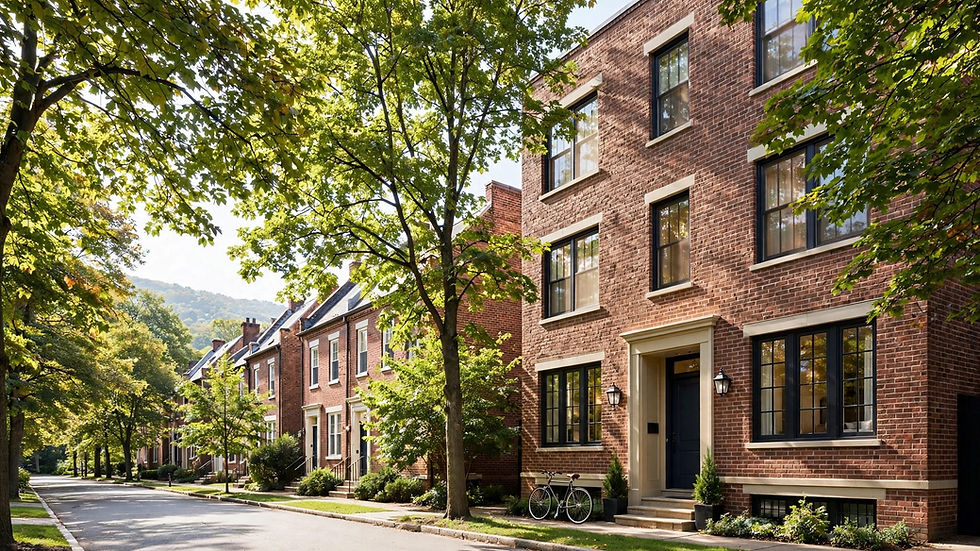
A Philly lease isn't only about the neighborhood. It's also about the building's age, systems, and setup. Philadelphia's diverse housing stock means a mix of old rowhomes and new builds, each with different utility arrangements.
Older rowhomes split into apartments often include water and sometimes heat because the plumbing or heating isn't metered by unit. Watch for foreign load issues in these conversions, where one tenant might accidentally pay for common area lights. Weatherization can help reduce bills in older properties. By contrast, newer buildings often have separate electric panels, efficient HVAC, and in-unit water heaters with an individual meter, which is standard for energy efficiency. That setup gives tenants more control, but it also means more separate bills.
Luxury and newer mid-rise buildings can go either way. Some keep rent simple and include a few shared utilities. Others pass through nearly everything because each unit is metered. In those buildings, energy-efficient systems may lower usage, even if the utility isn't included.
The lease wording matters just as much as the building type. One listing may say "heat included," while another says "tenant responsible for electric," which could still mean the tenant pays for heating if the system runs on electricity.
How to Read the Lease Without Missing Utility Costs
Protecting your tenants' rights starts with carefully reviewing the lease for utility details. Before you pay the security deposit and sign, slow down and look for a few plain-English answers. Ask which utilities are included in the rent, which ones are separately metered, and whether any charges are billed back later. If you get verbal promises about utility inclusions, request them as a written notice or part of the lease. Water is the big one to confirm. In some buildings it's included, while in others the owner uses a ratio utility billing system.
Also check how the apartment is heated. If the unit uses electric heat pumps, your winter cost may sit on the electric bill instead of a gas bill, so ask about a budget plan for utilities to avoid seasonal spikes. If internet comes through a required building package, ask for the monthly fee.
A good lease should make this easy to spot. If it doesn't, ask for the utility section in writing before you commit.
FAQs About Philadelphia Rent and Utilities
Is Heat Usually Included in Philadelphia Rent?
Sometimes, but not always. Heat is more likely to be included in older buildings with central systems. In newer apartments, tenants often pay if the unit has its own electric or gas heat.
Is Water Included in Most Philadelphia Apartments?
Often, yes. Water, sewer, and trash are the most commonly included utilities in Philly rentals because they're often billed at the building level.
Does "Utilities Included" Usually Cover Internet?
No. Internet is usually separate. Some buildings bundle Wi-Fi, but that's still the exception, not the rule.
Are Utilities-Included Apartments More Expensive?
Usually, yes, at least on paper. However, the higher rent can make budgeting easier because fewer surprise bills show up later.
One monthly rent number never tells the whole story. In Philadelphia, the usual split in 2026 is simple: landlords often cover water, sewer, trash, and sometimes heat, while tenants usually handle electric, internet, and sometimes gas.
For low-income households facing challenges, utility assistance and rental assistance programs can provide support, including help with back rent. Options like LIHEAP, UESF, and the Customer Assistance Program are key resources. The Public Utility Commission regulates utility shut-offs, and eligible low-income households may qualify for a payment agreement to manage bills.
The smartest move isn't chasing the lowest advertised rent. It's finding the lease where the full monthly cost makes sense before move-in day.

Comments