
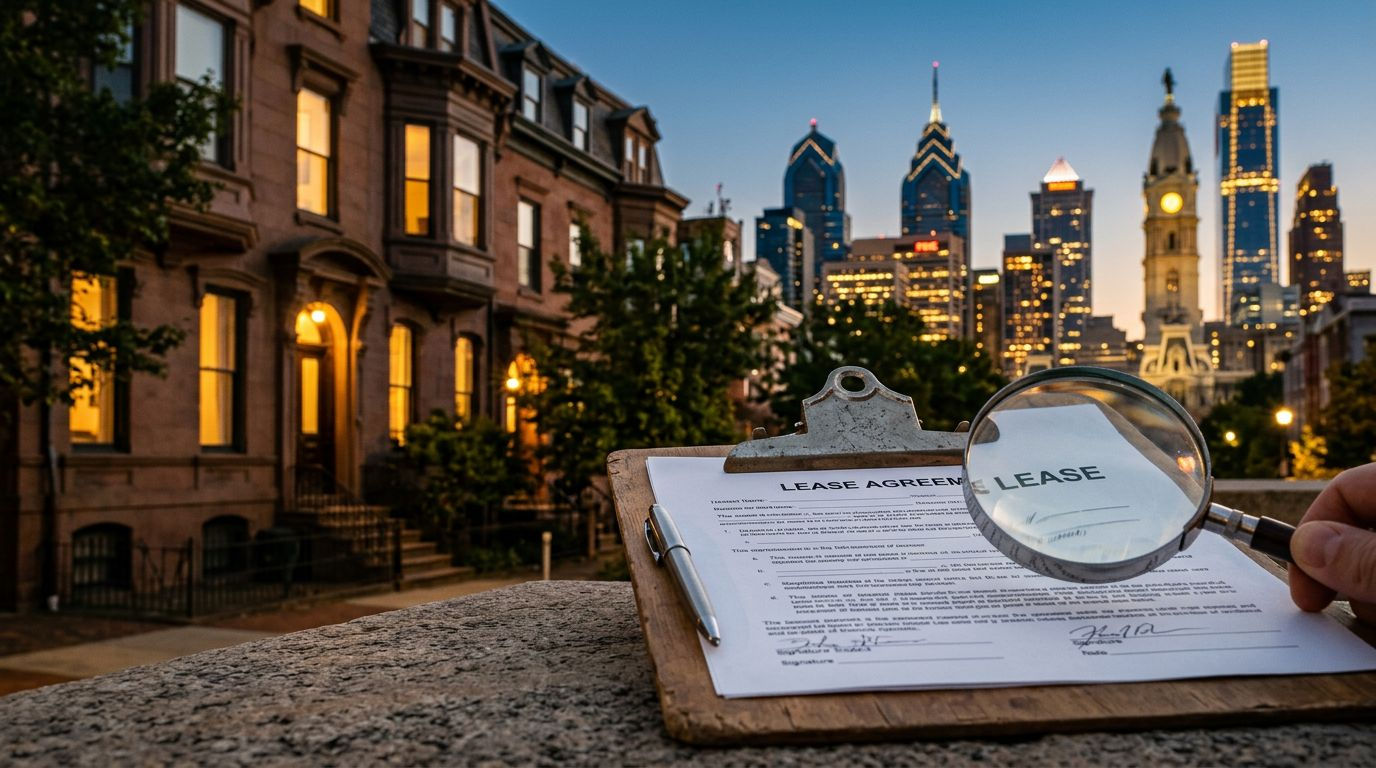
Philadelphia Rental Inspections: Rules Landlords Face in 2026

A rental unit can look spotless and still miss city rules. Philadelphia rental inspections don't rest on one simple pass or fail test. As of May 2026, landlords need to track licensing, lead requirements, habitability, and when the Department of Licenses and Inspections, or L&I, can step in.
If you own or manage residential dwellings in the city, small gaps in securing your commercial activity license can turn into delayed approvals, open violations, and hard tenant conversations. The rules are easier to manage once you separate long-term rentals, complaint-based checks, and the city's growing proactive inspection program.
Key Takeaways
Most licensed rental properties for long-term rentals start with a license and owner certification, not a routine city inspection.
Properties built before March 1978 need lead-safe or lead-free paperwork.
L&I can conduct an L&I inspection after 311 complaints, violations, or proactive program notices.
New tenants must get a Certificate of Rental Suitability before move-in to protect their tenant rights.
Open violations and missing documents can stall licenses and trigger more trouble.
What Philadelphia Requires Before You Rent
The first stop for most owners is Philadelphia's page on rental and property licenses. If you're renting a residential dwelling long term, you usually need a Rental License before the tenancy starts.
You also need proof that the space is legal to rent. Depending on the building and any commercial activity, that may include an activity license or commercial activity license, a certificate of occupancy, zoning paperwork, or an older record that confirms lawful use. Those documents matter because a legal apartment and a usable apartment are not always the same thing.
Before a new tenant moves in, landlords must provide a Certificate of Rental Suitability. That certificate says the residential dwelling is safe and habitable under property licenses, smoke detection and fire protection are working, and the property doesn't carry serious unresolved violations. If you have open notices that haven't been cleared, the certificate can become a problem.
Older buildings add another layer. For properties built before March 1978, an inspection for lead paint hazards is part of licensing. That inspection comes from a qualified third-party professional, then becomes part of your city file.
How Long-Term Rental Inspections Work in Philadelphia
Right now, the city's long-term rental rules don't require a physical inspection before every new or renewed license across the whole city. Owners generally self-certify that the unit is safe, habitable, and fitted with required smoke alarms.
Still, inspections happen all the time. L&I checks rentals after 311 complaints, after code issues appear, and through proactive rental inspections in selected neighborhoods. The current rollout has included ZIP codes such as 19140, 19141, and 19144, with a city goal of inspecting rentals on a five-year cycle as mandated by recent city council updates.
When a proactive inspection is scheduled, owners usually get about 60 days' notice. Tenants are contacted for access, so good communication matters. If inspectors find problems, L&I usually gives a correction window, often around 30 days, then schedules a reinspection.
A valid license is only one piece of compliance. Philadelphia can still inspect when a complaint comes in or when your property falls inside a proactive program.
Short-term rentals, visitor accommodations, and limited lodging operator licenses work differently from standard leases. Since June 2025, new and renewal limited lodging operator licenses have required an inspection, often after preliminary approval.
What Usually Triggers Violations
Many failed inspections start with common violations of the property maintenance code and fire code. Heat problems, leaks, pests, broken stairs, missing handrails, exposed wiring, plumbing issues, and dead smoke detectors all draw attention fast.
Paperwork also trips owners up. A unit can look fine and still run into trouble if the license expired, the lead file is missing, or the layout on site doesn't match the legal use on paper. Basement bedrooms, added units, and converted spaces often create that mismatch.
Meanwhile, 311 requests remain a major part of enforcement. When tenants submit a 311 request because repairs drag on, L&I can step in quickly. Fire safety gets priority, so blocked exits and alarm problems can move a case to the front. Severe code violations can lead to an emergency inspection and a city order to cease operations if the unit is unsafe.
How to Stay Ready Between Inspections
The simplest plan is recordkeeping plus routine checks. Keep one digital file for the license, lead records (crucial for preventing lead poisoning), occupancy or zoning proof, repair invoices, and the housing inspection report along with the rental suitability certificate you gave the tenant.
Then inspect your own units on a schedule to ensure housing safety for all licensed rental properties. Test smoke alarms, check for water stains after heavy rain, confirm railings are secure, and document repairs with dates and photos. In apartment buildings, common halls, entry doors, lighting, and trash areas matter as much as the unit itself.
If L&I sends notice, walk the property before the city arrives. That extra pass often catches the loose rail, missing outlet cover, or failed detector that turns into an avoidable violation.
The Main Rule to Remember
Philadelphia's inspection rules reward owners who treat compliance as an ongoing habit, not a once-a-year task. The city council often reviews these Philadelphia rental inspections standards, looking at habitability, legal use, lead safety, and paperwork together, along with fair housing commission guidelines and rules against landlord retaliation.
A unit that looks ready may still fall short on the file behind it. In 2026, the safer move is simple: keep your licensed rental properties repaired and up to code, keep records current, and expect inspections to matter even when the city doesn't inspect every unit up front.
FAQs
Do Long-Term Rentals Need a City Inspection Before Licensing?
Not in every case. As of 2026, most standard long-term rentals rely on owner certification at the licensing stage. Complaint-based L&I inspections and proactive rental inspections in selected areas are the main ways L&I performs physical checks.
How Much Notice Does L&I Give for a Proactive Inspection?
In the current rollout, owners usually get about 60 days' notice. Timing can vary by program or case, but you should expect advance notice and a need to coordinate access with tenants.
Do Older Philadelphia Rentals Need Lead Testing?
If the property was built before March 1978, landlords generally need lead-safe or lead-free documentation from a qualified third-party inspector. That requirement is separate from a regular city code inspection.
What Must Landlords Give Tenants Before Move-In?
At minimum, new tenants need the Certificate of Rental Suitability before they move in. Depending on the unit and lease, landlords may also need to provide other city-required materials tied to habitability, lead paint hazards, and tenant rights.


Comments