
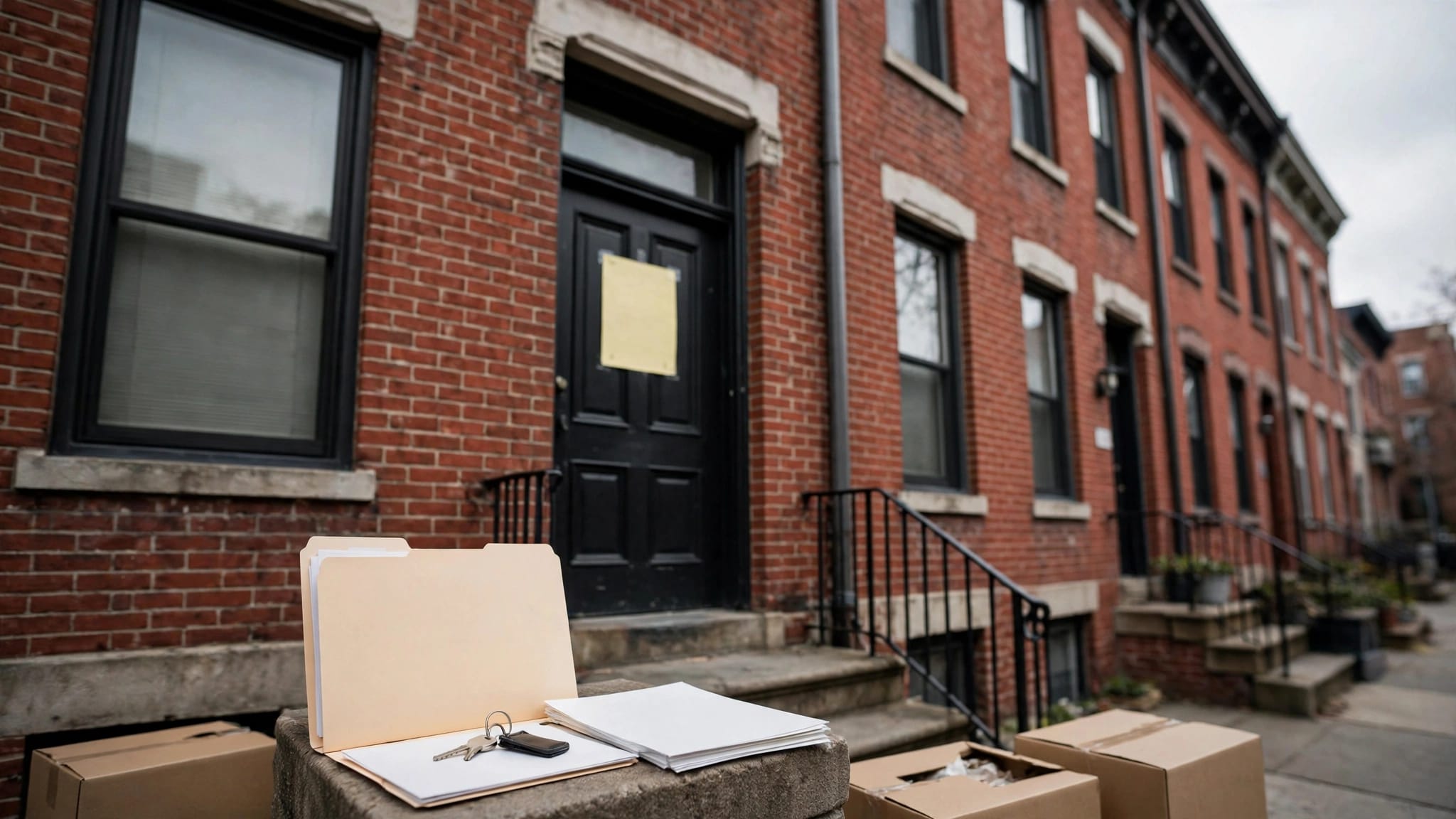
Philadelphia Renters' Rights After Building Condemnation

This guide explains Philadelphia renters rights after a building condemnation. If the city orders your rental building vacated, follow the safety order, preserve your records, and seek housing and legal help immediately. Condemnation doesn't erase your renter protections, but a city safety order and a landlord's separate court case are different legal actions.
You may need temporary housing while sorting out rent, your lease, and your deposit. Start with the written notice, because its instructions determine your immediate next steps.
Key Takeaways
Follow any city order to vacate. Don't re-enter a restricted building without authorization, even if your landlord says it's safe.
Keep the condemnation notice, lease, payment records, repair requests, and displacement receipts. These documents support disputes about rent, deposits, and expenses.
Call the Philly Tenant Hotline at 267-443-2500 for free guidance. Contact the Office of Homeless Services if displacement leaves you without safe housing.
What a Condemnation Notice Means
Follow the City's Safety Order
In this context, condemnation concerns unsafe or unfit housing, not government acquisition for public use. Philadelphia's Department of Licenses and Inspections handles building-safety enforcement.
Read the posting for the affected address, occupancy restrictions, deadlines, and case information. Photograph every page. A violation notice, an unsafe designation, and an order to leave aren't interchangeable.
If there's an immediate danger, such as a suspected collapse or fire, leave and call 911. Don't delay evacuation to finish packing.
Preserve Evidence Without Risking Your Safety
If officials permit access, gather identification, medication, essential documents, and items your household needs immediately. Photograph conditions only when it's safe.
Save copies of the notice, lease, rent receipts, and property owner messages somewhere accessible outside the apartment. Record when you lost access and which belongings remain inside.
If access is prohibited, request an authorized retrieval arrangement through the officials handling the building. Don't cross a barricade or rely solely on the property owner's permission.
Temporary Housing and Relocation Costs
Start With Emergency Housing Assistance
Philadelphia's Office of Homeless Services assists households facing displacement, including certain L&I findings that housing is unfit or imminently dangerous. The city's emergency housing service lists 215-686-7177 for emergency assistance information.
Explain that L&I displaced you, whether you have somewhere safe tonight, and whether children or disability-related needs affect placement. Emergency housing and rental assistance require screening, and condemnation doesn't guarantee a hotel, cash payment, or permanent apartment.
For longer-term affordability, options include HUD Project-Based Housing, Low Income Housing Tax Credit housing, Public Housing, and the Section 8 Housing Choice Voucher. These programs have different eligibility rules and waitlists, and none is a substitute for emergency shelter.
Document Costs Before Agreeing to a Settlement
Ask the property owner in writing who will cover temporary lodging, moving, and storage. Keep receipts and any written promises. A reimbursement claim depends on the circumstances and applicable law; don't assume every condemnation creates the same payment entitlement.
Also report displacement to your renters insurer. Loss-of-use coverage depends on the policy and the event causing the damage.
Don't sign a release or surrender agreement without understanding whether it waives claims for your deposit, belongings, or displacement expenses.
Rent, Repairs, and Your Lease
Document Repairs and Rental License Problems
Request repairs by text, email, or letter. Describe the problem, include dates, and keep the response. If the property owner refuses necessary repairs, call 311 to request L&I involvement.
An inspector can issue an inspection report or certificate documenting violations. Keep it and send a copy to the owner. Requesting an inspection is protected activity.
Philadelphia landlords must have a valid rental license; collecting rent without one is illegal. Search the address in the city's Atlas property tool to review licensing and violation records. A missing license can affect rent claims, but don't assume it settles every payment dispute.
Handle Withholding and Lease Termination Carefully
A condemnation posting doesn't, by itself, explain every rent or lease consequence. Get legal advice about rent already paid, future charges, and whether you can terminate.
Before you withhold rent for repairs, provide written notice and allow a reasonable repair period. Send the landlord a letter and preserve the disputed rent in a separate escrow account rather than spending it. Legal guidance matters because withholding rent can lead to a court filing and legal case.
Keeping rent aside preserves the money. It doesn't automatically establish a legal defense or create court-supervised escrow.
Request a written agreement addressing the lease end date, rent accounting, keys, belongings, and deposit. If the move is temporary, document the return arrangement too.
Eviction and Retaliation Protections
Distinguish a Safety Evacuation From an Eviction
A landlord can't legally force you out without a court order and an authorized officer. Changing locks, shutting off utilities, or removing belongings to make you leave violates Philadelphia's unfair rental practices protections.
However, those protections don't authorize you to stay in a building the city has ordered vacated. Follow the safety order while challenging any unlawful landlord conduct separately.
If you receive court papers, respond promptly and attend the hearing. Leaving because of condemnation doesn't make a pending rent or possession case disappear.
Keep Evidence of Retaliation and Use Diversion
Landlords can't lawfully punish you for requesting repairs, reporting violations, or seeking an inspection. Save threats, sudden termination notices, and messages connecting adverse action to your complaint.
Philadelphia's Eviction Diversion Program generally requires landlords to participate in good faith before filing a residential case. It offers mediation and possible financial assistance.
However, the program's assistance rules exclude relocation expenses and security deposits. Don't treat diversion funding as guaranteed moving assistance.
Recovering Your Security Deposit
Request your full security deposit after moving out, subject to lawful deductions. Send your forwarding address in writing and keep proof of delivery.
Pennsylvania generally requires the landlord to provide the deposit balance and an itemized damage statement within 30 days after lease termination or surrender and acceptance, whichever occurs first. The precise tenancy-end date can matter after condemnation, so document it.
Take move-out photographs if access is safe and authorized. Record how you returned keys and why anything remained inside. Ordinary wear isn't damage, and a condemnation notice alone doesn't establish that you caused the building's defects.
For replacement housing, Pennsylvania generally caps security deposits at two months' rent during the first year and one month's rent afterward. Our Philadelphia renter protections guide covers broader deposit, repair, and renter protections.
Where to Get Free Tenant Help
Use the contact that matches your immediate problem.
Situation | Contact |
|---|---|
Renter-rights advice and legal referrals | Philly Tenant Hotline: 267-443-2500 |
Unsafe conditions or L&I follow-up | Philly311: 311 |
Housing crisis and prevention assistance | Office of Homeless Services: 215-686-7177 |
Someone needs street outreach | Homeless Outreach Hotline: 215-232-1984 |
Philadelphia's Right to Counsel provides free representation to eligible low-income renters in designated ZIP codes. Eligibility generally requires household income at or below 200% of the federal poverty level and residence in a covered area. Ask the hotline for screening; our tenant legal aid resources explain the referral process.
Local renter organizations, including TURN, provide renter education and support. Keep your notice and court papers available when requesting help.
For housing discrimination involving renting, buying, selling, or obtaining a home loan, contact the Philadelphia Commission on Human Relations and use its complaint form. The Fair Housing Commission handles unfair rental practices, a different complaint category.
The city's Fair Housing Commission guide explains its role under Chapter 9-800. That chapter defines terms including residential rental unit, real estate lessor, security deposit, background check, credit check, and applicant. Those definitions help determine how local rental protections apply.
Frequently Asked Questions
Does My Landlord Have to Pay for a Hotel?
Don't assume condemnation automatically requires a landlord-paid hotel. Responsibility depends on the cause, applicable law, insurance, and any agreement. Preserve receipts and written promises so a lawyer or legal adviser can assess reimbursement claims.
Can I Return When My Landlord Says Repairs Are Finished?
Don't return solely on the landlord's assurance. A city occupancy restriction requires official resolution. Follow the written order and obtain authorization from the agency controlling access before moving back in.
What Should I Say to My Landlord?
Keep messages factual. Identify the notice, the date you lost access, and the specific response you need. Ask about authorized belongings retrieval, the rent account, and lease arrangements. Avoid admitting responsibility for defects or agreeing to deductions you haven't reviewed.
What if I Have a Housing Voucher or Subsidized Apartment?
If you're in subsidized housing, notify your housing authority, subsidy administrator, or caseworker immediately. Send the condemnation notice and ask how to preserve your assistance during displacement. Don't assume your subsidy transfers automatically to a replacement apartment or covers every temporary lodging expense.
Protect Your Safety and Your Paper Trail
Follow the city's safety restrictions while preserving your written records. The notice, rent history, and documented displacement costs help separate immediate housing needs from later financial claims.
Get legal help before withholding rent or signing away your rights. Leaving an unsafe building shouldn't mean losing the chance to challenge unlawful charges, retaliation, or an improperly withheld deposit.



Comments