

Philadelphia Three-Bedroom Apartments: 2026 Space and Rent Guide

A three-bedroom rental can solve a space problem, but it can also stretch a household budget quickly. Philadelphia three-bedroom apartments range from practical shared housing near campus to full-service residences with parking, a roof deck, and skyline views.
The right choice comes down to more than bedroom count. This 2026 guide compares usable square feet, total monthly cost, bathrooms, lease terms, amenities, commute, and neighborhood fit. Households comparing homes for rent in Philadelphia can use these criteria before reviewing detailed rent figures in the next section.
Key Takeaways
Zillow's citywide average monthly rent for a three-bedroom rental was $1,875, verified on its market-trend page in February 2026. Active listing prices are time-sensitive snapshots that vary by neighborhood, apartment size, bathrooms, amenities, and lease terms.
Roommates comparing shared housing should review the full monthly total. Advertised rent doesn't include every cost, such as utilities, parking, pet rent, and common-area fees.
Older rowhome conversions may offer larger bedrooms, more square feet, and outdoor space. Newer buildings often add elevators, fitness rooms, package storage, and security features.
Available rentals can differ widely in lease structure and pet policies, so compare those terms before applying.
A detailed tour, a written list of fees, and a careful lease review can prevent expensive surprises after approval.
Philadelphia Three-Bedroom Apartments and 2026 Rent
People comparing 3 bedroom apartments need a benchmark, not a promise. In Philadelphia PA, Zillow's Philadelphia rent trend data reported an average three-bedroom monthly rent of $1,875 when reviewed.
That figure is a citywide benchmark, not a quote for every unit. Live availability, building age, location, finishes, and lease terms can push asking rents higher.
What Current Asking Rents Look Like
A review of rental listings showed a wide range of asking rents. Observed snapshots included Temple Apartments near North Broad at $1,895, while newer or more central buildings showed $2,400 to $5,000 or more.
Treat these examples as asking-rent snapshots, not guaranteed lease prices. Confirm each listing's date, unit details, availability, and whether the unit is tour available before relying on it.
Editorial Rent Tier | Typical Fit | Observed Asking-Rent Snapshots |
|---|---|---|
Around $1,900 to $2,400 | Older apartments, student-adjacent homes, or areas farther from Center City | Temple Apartments, $1,895; 3320 Arch Street, from $2,430 |
Around $2,800 to $3,600 | Newer mid-market buildings with two bathrooms and building amenities | The Rally, $2,864; Poth Brewery Lofts, $3,045 |
$3,700 and above | Luxury apartments, premium locations, larger layouts, and concierge-style amenities | Goldtex, from $3,785; Beach Street Landing, from $4,295 |
These editorial tiers reflect observed listing snapshots, not fixed market rules. Location, layout, amenities, furnished status, concessions, and lease terms all affect the asking price. An advertised rent special can lower the effective cost without changing the listed base rent.
Student-oriented homes and shared housing can also price differently per person because roommates divide the total.
The spread is large because layouts vary. A compact three-bedroom may offer about 950 square feet. A larger home can exceed 2,000 square feet and include multiple bathrooms.
A lower base rent can cost more overall once you add utilities, laundry trips, furniture, or a long daily commute.
Build a Move-In Budget Before Touring
Start with the advertised rent, then add costs that don't appear in the headline price. Before getting keys, many renters need the first month's rent, a security deposit, application fees, and utility setup funds.
Philadelphia limits screening fees to the actual screening cost or $50, whichever is lower. Before applying, confirm the current rule and fee in writing. Ask the leasing office which reports the fee covers, whether it is refundable, and whether another administrative charge will appear later.
For roommates, decide how you'll split rent before anyone applies. Equal splits work when bedrooms are similar. If one person gets an en suite bath, private balcony, or much larger room, a different split usually feels fairer.
What Three Bedrooms Usually Buy You
Bedroom count doesn't tell you whether the apartment will work for your household. In shared housing, the common area needs to support daily life when roommates work, study, or cook at home.
Look Beyond Square Footage
Size matters, but its distribution matters more. Listings may count hallways, closets, basements, or shared amenity areas differently, so totals aren't always directly comparable.
A compact apartment with fewer square feet can feel more comfortable than a larger unit with a narrow common area. An apartment with 1,250 square feet, three closed bedrooms, two baths, and a real living room may work better for daily routines.
During a tour, confirm how many square feet the listing includes and measure each bedroom when possible. Picture a bed, dresser, desk, and laundry hamper in every room. Check window placement, closet depth, ceiling height, door security, living-room circulation, and accessibility. If the listing says “tour available,” ask to inspect storage and common areas in person.
Prioritize Bathrooms and Storage
For three adults or a family, two bathrooms can reduce daily friction. Entry storage, pantry space, linen closets, and room for coats, strollers, sports gear, or bikes matter too.
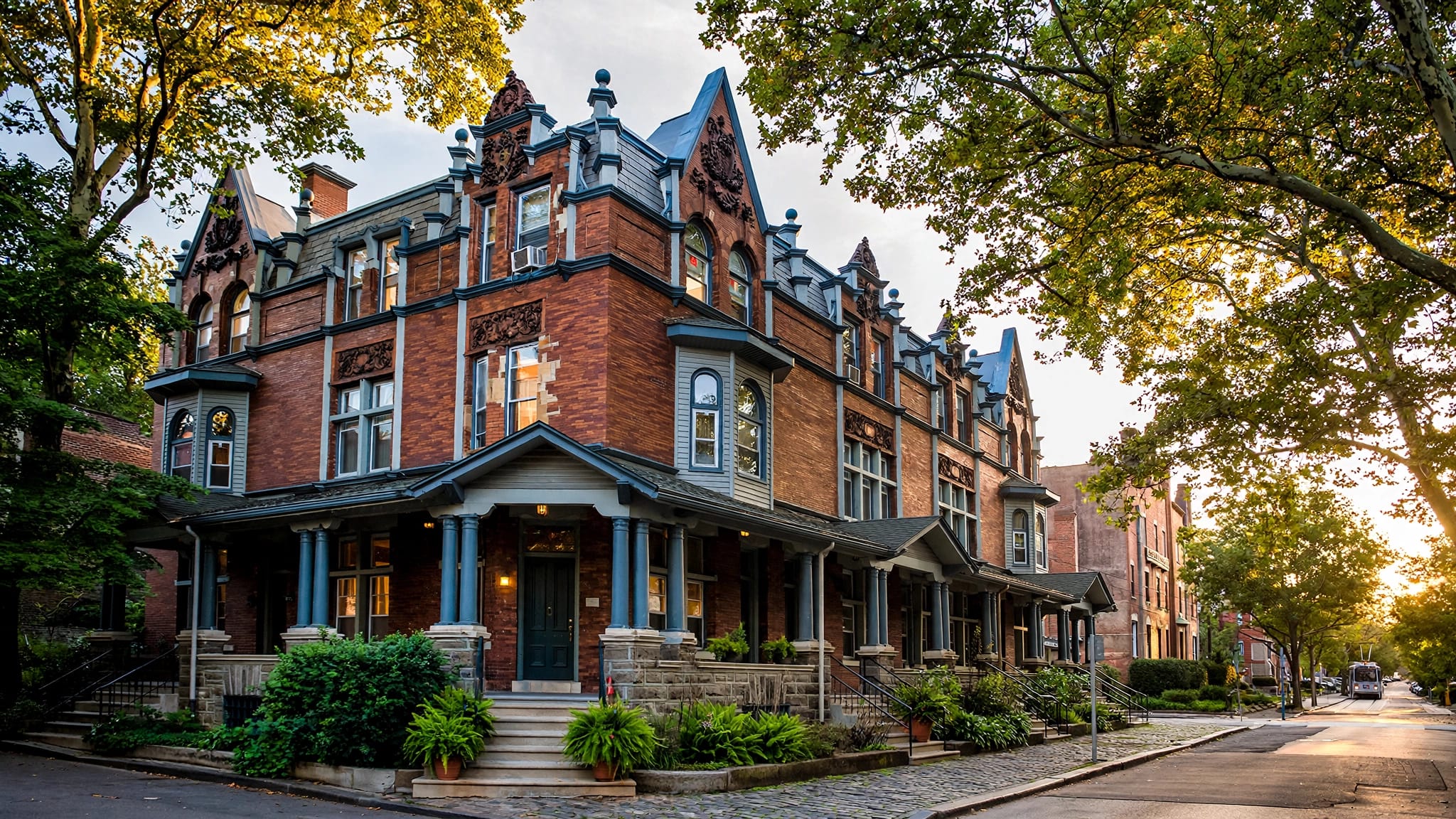
Philadelphia three-bedroom apartments in converted rowhomes may include basements, a private backyard, or generous closets. Newer apartments may trade extra storage for an elevator, package room, and shared amenity spaces.
Neighborhoods That Match Different Rental Priorities
No Philadelphia neighborhood wins on every category. The best fit depends on whether you value walkability, campus access, quiet streets, nightlife, larger rooms, or a shorter trip to work.
Center City, Society Hill, and University City
Center City suits renters seeking offices, restaurants, hospitals, and major rail connections. High-rises and converted buildings offer varied layouts. Society Hill adds historic charm and tree-lined streets, although larger apartments can be scarce and command a premium.
University City attracts students, hospital staff, and university employees, with older walk-ups and newer buildings offering varied layouts and noise levels. Furnished apartments are easier to find near major institutions and transit corridors, but compare the furniture package carefully. Confirm what stays, who repairs it, and whether a furnished lease carries a higher security deposit.
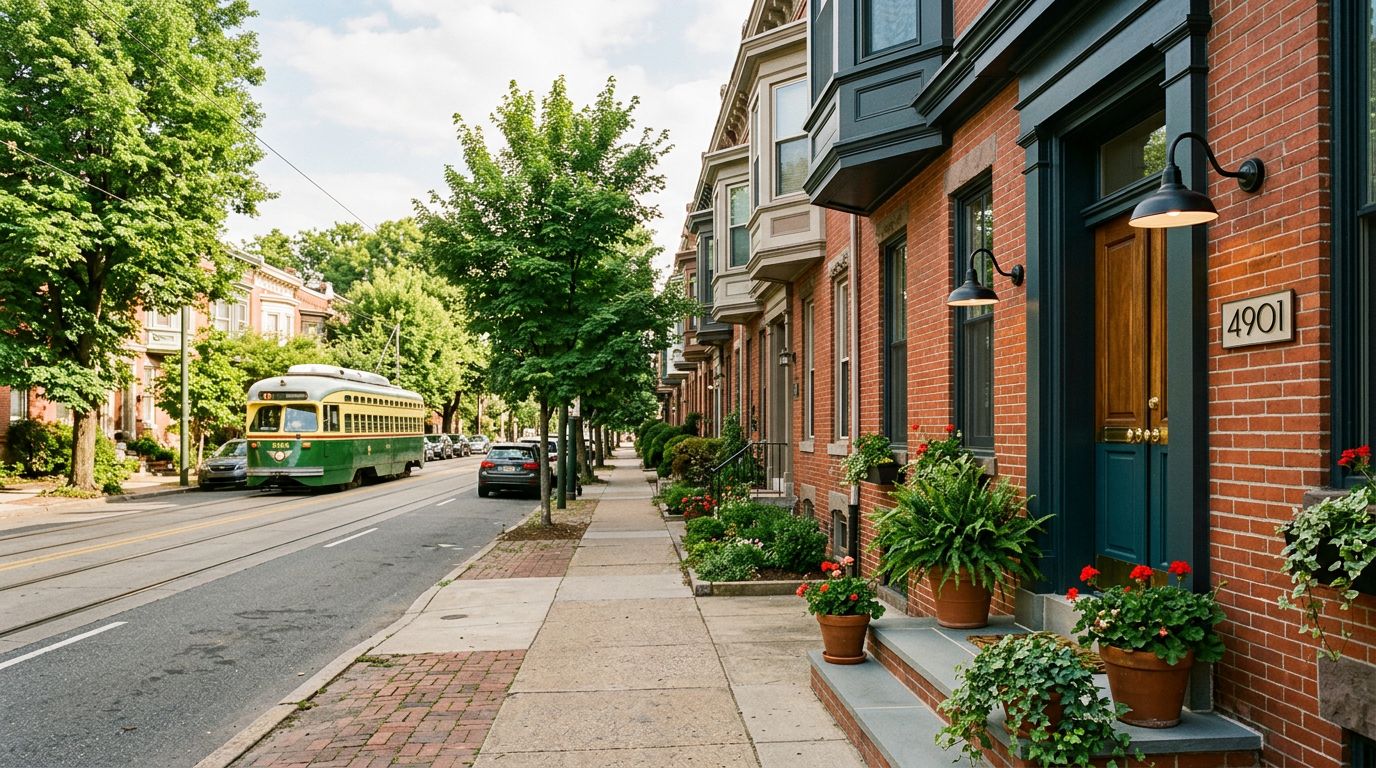
For a commute check, use SEPTA's real-time map to view nearby rail, subway, trolley, and bus stops. Measure your actual walk from the building entrance, not just the neighborhood label on a listing.
Brewerytown, Fairmount, and Temple-Area Housing
Brewerytown can appeal to renters who want a residential feel with access to Center City and Fairmount Park. Fairmount often suits renters who prioritize walkable blocks and quieter streets. Newer Brewerytown buildings may offer modern finishes, but room sizes and noise vary. Smaller communities can feel less anonymous than a large tower.
Near the Temple Philadelphia Campus, three-bedroom rentals often suit student groups and young professionals. Shared housing is common, but layouts and noise levels vary by property.
For listings near the Temple Philadelphia Campus, Temple's three-bedroom off-campus search offers a useful starting point for off-campus housing. Use it to distinguish student-oriented off-campus housing from ordinary multifamily rentals.
Ask whether the property has a tour available before applying, and whether it offers a joint lease or individual bedroom leases. A joint lease can mean every signer shares responsibility for the full rent. In shared housing, individual leases may offer clearer personal responsibility, though they aren't available everywhere.
Amenities That Matter in a Larger Rental
Amenities should support the way your household lives. A rooftop lounge may be appealing, but laundry inside the unit and secure package storage often matter more. Over a 12-month lease, prioritize features your household will use regularly.
Features Worth Comparing Line by Line
Common amenities in Philadelphia three-bedroom rentals include:
In-unit laundry, central air conditioning, a dishwasher, and modern kitchen storage.
Pet policies, which may include breed restrictions, pet rent, one-time fees, or weight limits.
A fitness center, bike rooms, rooftop decks, lounges, and outdoor areas.
Controlled building access, package rooms, elevators, and on-site maintenance.
Garage access, private outdoor spaces, or shared courtyards.
A pet-friendly policy doesn't mean every pet is automatically approved. Get animal requirements in writing, and if the listing says “tour available,” confirm access before paying a holding deposit. Service animals and assistance animals aren't handled under ordinary pet rules. Verify current requirements with HUD or another authoritative fair-housing source, and remember that renters remain responsible for actual property damage.
Luxury Extras Can Change the Math
Garage access, a roof deck, and other premium features are popular filters for luxury apartments, especially in Northern Liberties, Old City, Center City, and newer waterfront buildings. A reserved space may carry a separate monthly parking charge, while a balcony may be too small for outdoor dining or gardening.
Ask whether amenity access is included in rent. A rent special may offset a fee or reduce first-year rent, but confirm the concession in writing. Compare amenity fees, package fees, move-in or elevator fees, utility billing, and garage-related charges. Clarify maintenance responsibilities before signing.
Lease Terms, Screening, and Renter Protections
Most Philadelphia rentals use a 12 month lease, although furnished, student-oriented, and short-term arrangements may differ. Read the full agreement before sending a deposit or signing digitally.
Questions to Ask Before You Commit
Before applying, confirm the listing is active and ask whether the property has a current Philadelphia rental license, when required. Confirm the listing has a tour available in person or by live video before sending money.
Confirm the start date, end date, total rent, renewal notice deadline, and late fee policy. Ask about utility billing, deposit conditions, guarantor requirements, and every move-in charge.
If you're signing with roommates, ask whether liability is joint and several or individual. That distinction matters in shared housing if one tenant misses a payment.
If a promotion or rent special influenced your decision, get its amount, duration, eligibility, and repayment terms in writing. Ask how that rent special affects effective rent, renewal terms, or repayment obligations if you leave early.
Philadelphia's Renters' Access Act gives applicants more information about screening standards and a chance to provide context. Review the current Philadelphia Code and city guidance before relying on those protections. If you receive a denial or unfavorable terms, request the screening report and decision details when available. Check that names, payment records, and prior addresses are accurate.
Rent reporting can help some renters document on-time payments. If a building offers it, verify that the provider reports to a credit bureau. A portal receipt proves you paid management. Your credit report confirms whether a rent tradeline actually appeared.
Protect Yourself at Move-In and Move-Out
Take dated photos and video before moving furniture inside. Photograph floors, appliances, windows, walls, smoke detectors, and existing damage. Report defects in writing, then email the list to management so the record has a timestamp.
Pennsylvania generally gives landlords 30 days after move-out to return a security deposit balance or send an itemized list of deductions. Keep your forwarding address, lease, payment confirmations, condition report, and repair messages in one folder.
If a serious repair issue arises, report it in writing and give management access to fix it. For urgent problems such as no heat, major leaks, broken exterior locks, or sewage backup, preserve photos and every message. Don't withhold rent or deduct repair costs without qualified local legal advice.
Compare Listings With a Consistent Method
Fast-moving rental listings can create pressure to apply before you've compared the details. Online information can change quickly, so check it against a live tour or the leasing office. A simple side-by-side review keeps the decision grounded.
Use the Same Questions for Every Tour
Use this template for every unit:
Costs: Monthly rent, required deposits, estimated utilities, parking, and pet charges.
Space: Bedrooms, bathrooms, square feet, layout, laundry, and storage.
Fixed conditions: Commute time, street noise, stairs, window exposure, and kitchen counter space.
Tour available: Yes/no.
Tour available time confirmed with manager: Yes/no.
Shared housing: Each roommate's room size, privacy, storage, and responsibility for shared costs.
Save the original listing, fee sheet, floor plan, promotional terms, and other property details for later review.
When a listing looks promising, request an in-person or live-video tour. Open closets, test water pressure with permission, check cell service, and look for working locks. Also confirm the owner or manager holds the required Philadelphia rental license, especially in small converted properties.
Conclusion
The strongest three-bedroom rental isn't always the lowest advertised rent or the building with the longest amenity list. It's the home that offers usable space, predictable total costs, a manageable commute, and amenities that support everyday life. Review lease obligations before deciding.
Compare Philadelphia three-bedroom apartments with the same budget worksheet and tour standards. Verify fees, concessions, and promotional terms in writing before signing.
Frequently Asked Questions
How Much Does It Cost to Rent a Three-Bedroom Apartment in Philadelphia?
A Zillow check retrieved in 2026 found a citywide average of $1,875 per month. Current listings show time-sensitive asking rents, from under $2,000 near Temple to more than $5,000 in high-end Center City buildings. Price depends on neighborhood, square feet, unit size, bathrooms, building age, amenities, parking or garage costs, furnishings, and lease terms.
Where Can I Find Furnished Three-Bedroom Apartments?
Start with Center City, University City, Old City, Northern Liberties, and areas near major hospitals or universities. These rentals often target corporate renters, relocating households, visiting professionals, and students. Confirm the lease length and inventory list before applying.
Are There Three-Bedroom Rentals Near Temple for Roommates With Pets?
Some buildings allow pets, but each property sets its own rules. Check pet fees, monthly pet rent, breed or weight restrictions, and the number of animals allowed. Temple-area listings can change quickly, so verify the rules directly with the property.
Shared housing near the Temple Philadelphia Campus and off-campus housing may use joint or individual leases. A joint lease can make every roommate responsible for the full rent, while an individual lease usually assigns each renter a set amount. Ask how roommates are screened and whether the property has a live tour available before applying.
How Close Are Downtown Apartments to Transit and Employers?
Many Center City and University City neighborhoods have buildings near subway, trolley, bus, and Regional Rail access. Still, walking time varies block by block. Use SEPTA's trip-planning tools on its official website to check the route you would take during your normal commute.

Comments