

Shared Laundry in Philadelphia Apartments: What to Ask

A clean washer on a tour can hide the hassle of carrying a full laundry basket through common areas. Communal laundry facilities can work well when the room is reliable, reasonably priced, and easy to access.
For renters searching "shared laundry Philadelphia apartments," a quick look at the machines isn't enough. You need clear answers on cost, availability, repairs, and the rules residents actually follow.
Ask these questions before signing, then compare these laundry options with rent and other monthly fees.
Key Takeaways
Shared laundry is often a practical tradeoff when the room has enough machines, clear hours, and a quick repair process.
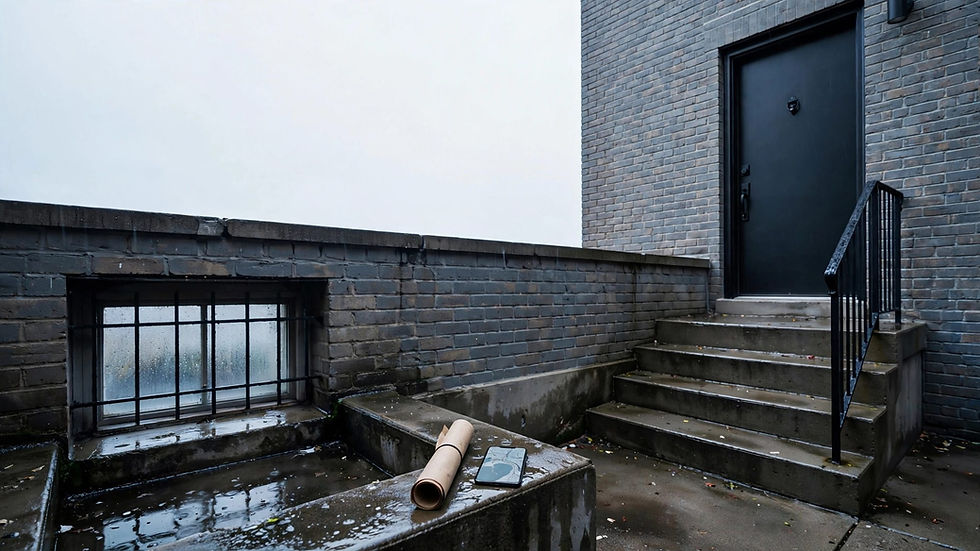
In Philadelphia, older row-home conversions may place communal laundry in a basement or rear common area, so access, lighting, and security matter.
Expect many on-site machines to charge per cycle. Ask whether payment uses an app, card, coins, or a reloadable laundry account.
A washer and dryer inside your apartment may cost more in rent, but they can be worthwhile if your schedule or mobility makes shared facilities difficult.
Written amenity rules and a documented maintenance process prevent most avoidable disputes.
Questions for Shared Laundry Philadelphia Apartments
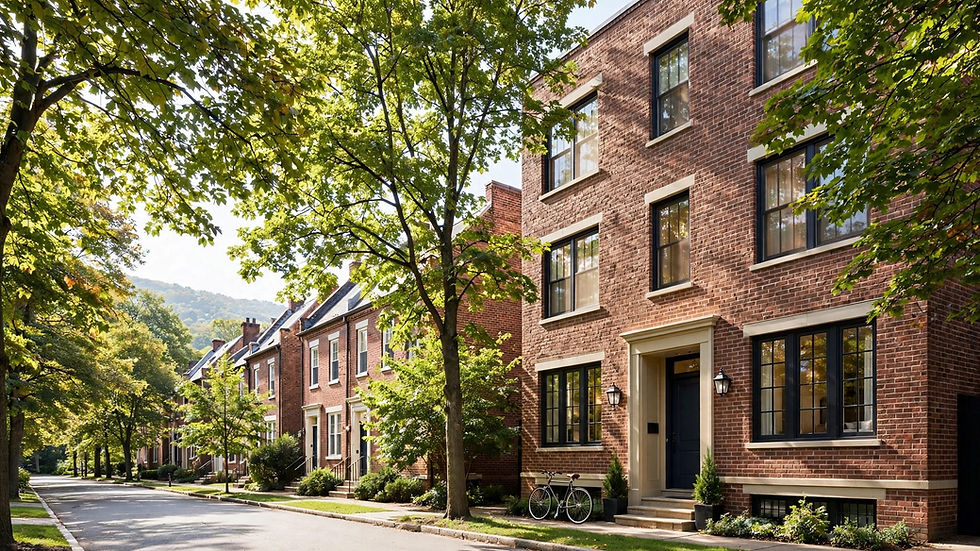
Philadelphia has a wide range of rental buildings. A newer apartment complex may have a bright, card-operated laundry room, while a converted row-home apartment building might offer two machines in the basement for several units.
During the tour, look beyond the washing machine itself. Inspect the shared laundry room for good lighting and secure access. Does it require a key or fob? Can you reach it without carrying a full laundry basket down a narrow staircase? Also look for a folding table, trash can, ventilation, and a clean floor around the machines.
Questions to Put in Writing
A leasing agent should be able to answer direct questions about the room's daily use. Add laundry to your apartment notes, along with the questions in this Philadelphia apartment tour checklist.
Ask:
How many apartments share each washer and dryer, and are there larger-capacity machines for bedding?
What are the laundry hours, and are there quiet-hour restrictions?
Does the building offer a payment app, a laundry card, coin laundry, or another system?
What does one wash cycle cost, what does one dry cycle cost, and are there reload or service fees?
Are machines checked regularly, and how do residents report an outage or a refund request?
What laundry room etiquette rules apply to clothing left after a cycle ends?
Is there a folding table, cart storage, or a place to park a second laundry basket without blocking the room?
Does an on-site vending area sell detergent or dryer sheets?
Are laundry-room rules included in the lease, resident handbook, or tenant portal?
The number of machines matters as much as their condition. Two dependable washer-dryer pairs can work well in a small building. The same setup can feel crowded if dozens of residents depend on it.
A posted repair process matters more than a promise that management will "take care of it."
Compare Laundry Options, Costs, Access, and Capacity
When comparing Philadelphia apartments with shared laundry, consider all recurring charges, not just base rent. Key cost considerations include communal laundry facilities, per-cycle fees, amenity charges, and private equipment.
Philly Apartment Rentals' local laundry cost guide puts typical common-area laundry charges at about $1.50 to $4 per load. A wash-and-dry session can add up quickly if you run several laundry cycles each week.
Laundry Option | Typical Cost Structure | What to Confirm |
|---|---|---|
Shared on-site room | Pay per wash and dry cycle | Machine availability, payment fees, and repair response |
In-unit washer and dryer | Higher rent plus utilities | Utility responsibility and appliance maintenance |
In-unit hookups only | Machine purchase or rental may be required | Written permission, size limits, and installation rules |
Laundromat or other laundry services | Pay per visit or by pound | Travel time, hours, and pickup options |
Some Philadelphia communities charge a monthly amenity fee that covers shared spaces such as a gym, package room, rooftop area, or bike storage. Ask whether laundry access is part of that charge or whether every cycle costs extra.
Confirm whether the room uses card-operated laundry and whether reloads or service calls carry fees.
Timing also affects the experience. Evening hours and weekend afternoons are often busiest. If you have flexibility, try a weekday late morning or early afternoon. Before moving in, ask current residents whether machines are usually open and whether the payment system works consistently.
Laundry Room Etiquette That Keeps the Peace
Shared laundry room etiquette is mostly about respecting other residents' time and belongings. Arrive with a laundry basket, liquid detergent, stain remover, dryer sheets, bags, and enough payment credit. Then set a phone timer before leaving the room.
Move your clothes promptly when the cycle ends. Returning promptly is basic laundry room etiquette and keeps machines available. Good Housekeeping's shared laundry rules recommend removing items within 15 minutes, especially when the room is busy.
If someone else's laundry is sitting in a finished machine, start with patience. Check the posted policy, then allow a reasonable grace period. Many buildings use 15 to 20 minutes as a practical standard. If you need the machine after that, place the items neatly in the resident's laundry basket, on a clean folding table, or on top of the machine.
Never put another person's wet clothing into a dryer and start it. Some fabrics shrink, bleed color, or can't handle high heat. The floor is never an acceptable place for someone else's belongings.
Clean up after every load. Empty the lint trap, wipe detergent spills, and take dryer sheets and empty containers with you. Laundry-room trash cans are for laundry debris, not household garbage.
Odors and stains deserve attention before you leave your apartment. For washable odors, follow the care label's recommended water temperature, and check whether dryer sheets are appropriate for the fabric. Avoid overusing liquid detergent or fabric softener, since either can leave residue behind. An enzyme detergent can help with food, sweat, and protein stains. For stubborn smells, add white vinegar to the rinse cycle or use an oxygen-based bleach according to its label. Never mix vinegar or any cleaner with chlorine bleach.
When an In-Unit Washer and Dryer Is Worth the Premium
Among the laundry options, an in-unit washer and dryer gives you privacy, flexible hours, and control over cleanliness. It also removes trips through hallways, stairwells, or bad weather with a full laundry basket.
That convenience can be expensive. Trulia's Philadelphia washer-dryer analysis found that Philadelphia renters paid about a 20% premium. That worked out to roughly $211 more each month for apartments with private laundry. Compare that premium with your monthly rent, utilities, and likely per-cycle costs.
The premium can make sense if you work irregular hours, care for children, have mobility needs, or do frequent loads. However, don't assume every apartment labeled "washer/dryer ready" includes a machine.
Ask whether the unit includes a washer and dryer or only laundry hookups. Also check for hot and cold water lines, a drain connection, and adequate electrical service. Confirm dryer venting or a compatible ventless setup. A stackable washer and dryer also need enough closet depth, safe clearance, and a level floor.
Never install personal equipment without the landlord's written approval. A leak, electrical issue, or improper vent connection can create expensive damage and leave you responsible under the lease.
What to Do When Machines Are Broken
A broken washing machine or dryer may not be an emergency, but it still affects a paid amenity. Report the problem through the resident portal or the contact method listed in your lease. Include the machine number, date, time, error message, money lost, and a photo if helpful.
Keep screenshots of payment errors and repair requests. These records help document your tenant responsibilities and make refund or repair follow-up easier. If water is pooling, a machine has an electrical smell, or the room creates a safety concern, notify building management right away and avoid using the equipment.
For persistent issues, ask for a maintenance and repair timeline and when the machine will be available. Also ask what temporary option the building provides. Follow posted laundry room etiquette while waiting for service, including not using equipment marked out of order. Clear records make follow-up easier, particularly when a problem repeats.
Closing Thoughts
For renters comparing shared laundry Philadelphia apartments, the strongest choices offer fair pricing, dependable access, clean machines, and clear expectations for residents.
Factor laundry into your monthly housing cost, other fees, and daily routine. Consider how far you’d carry a full laundry basket. A few focused questions during the tour can prevent a long lease with an avoidable inconvenience.
FAQs
How Much Does Shared Laundry Usually Cost in Philadelphia?
Many shared rooms charge about $1.50 to $4 per machine cycle. That means a wash and dry can cost roughly $3 to $8, depending on the building and machine size. Ask whether the system charges by cycle or by time, and confirm whether a card or app adds reload fees.
Is It Okay to Remove Someone Else's Laundry?
Wait for the building's stated grace period first. If no rule is posted, 15 to 20 minutes after the cycle ends is usually considerate. Place items in the resident's laundry basket when possible, or set them on a clean table or machine top. Don't put them on the floor or start a dryer cycle for them.
What Are the Best Times to Use a Busy Laundry Room?
Weekday late mornings and early afternoons often have less traffic than evenings or weekend afternoons. Still, every building has its own pattern. Ask residents or management when the room tends to be busiest, then use a phone timer so you can return as soon as your load finishes.
Can I Bring My Own Washer and Dryer to an Apartment With Hookups?
Only with written approval from the landlord or property manager. Confirm the machine dimensions, electrical requirements, water connections, drainage, venting, insurance rules, and who pays for damage if a leak occurs.

Comments