
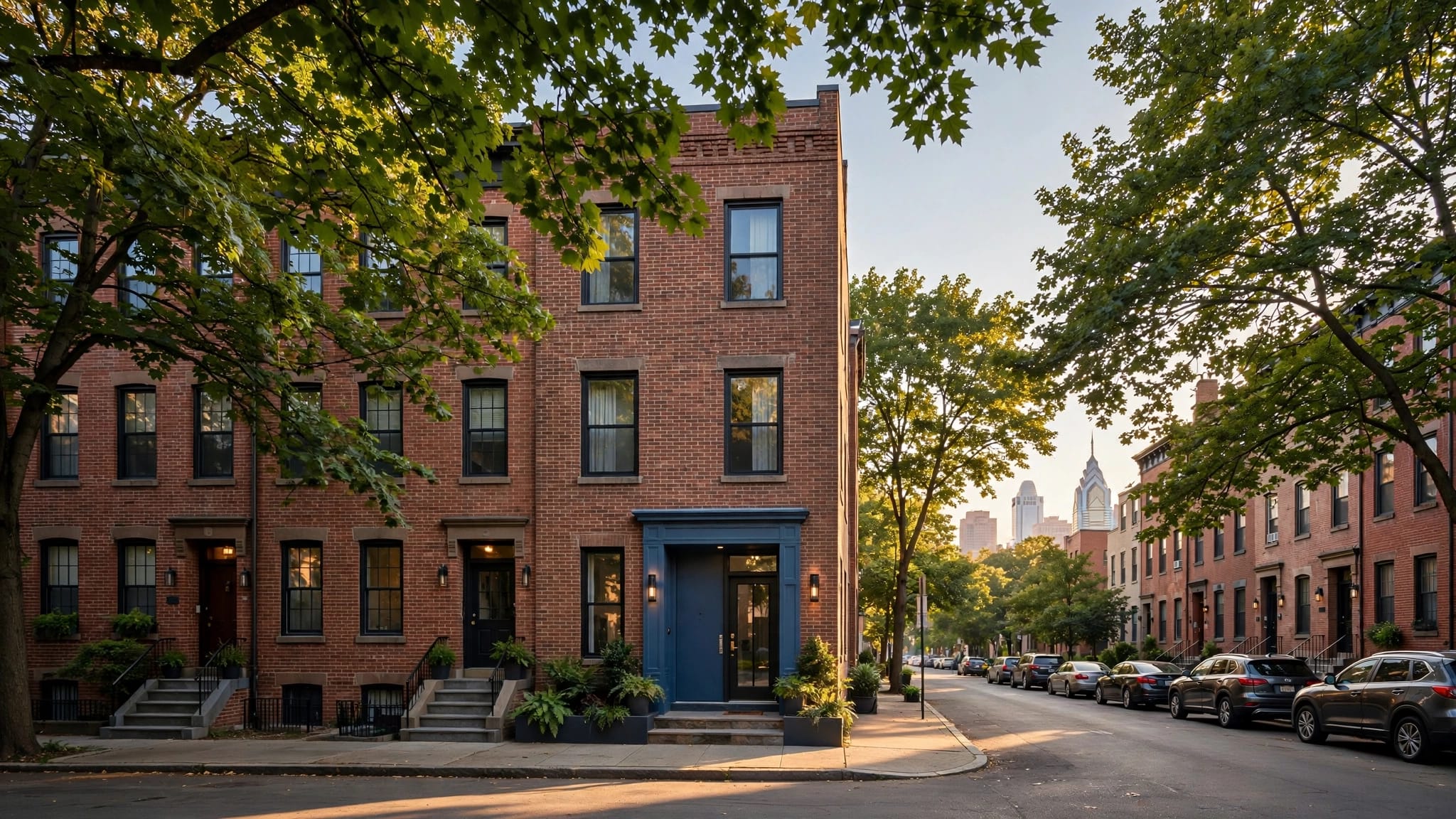
Graduate Hospital Philadelphia Apartments: A 2026 Renter Guide

A well-chosen home among Philadelphia apartments can make a demanding work or school schedule feel more manageable. Graduate Hospital Philadelphia apartments place renters close to Center City while keeping the everyday feel of a rowhome neighborhood.
This area appeals to medical professionals, graduate students, and anyone who wants short trips downtown. Building-level rents and availability can change, so compare the advertised rent with the complete lease cost.
Key Takeaways for Renters
Graduate Hospital offers renovated rowhomes, condo rentals, smaller walk-ups, and larger amenity-rich apartment buildings.
Recent 2026 one-bedroom listings often show asking rents around $1,450 to $2,325. Size, finishes, parking, and lease timing can change the estimate.
SEPTA lists Bus Routes 7, 12, and 40, along with the Broad Street Line at Lombard-South, as key transit options nearby.
Most newer buildings are pet friendly, but pet rent, breed rules, deposits, and one-time fees vary by property.
Before applying, confirm every monthly charge, the move-in date, repair procedures, and whether promised work will be completed before you get the keys.
The advertised rent is only the starting number. Recurring costs may include utilities, pet rent, or a Parking Garage fee. One-time fees may include application, move-in, or pet charges, while renters insurance can also change the monthly total.
What Graduate Hospital Philadelphia Apartments Cost
Rental prices in Graduate Hospital move quickly because listings turn over, concessions expire, and one renovated unit can differ greatly from the next. Use live Graduate Hospital rental listings on Zillow to compare current availability. Then verify the exact unit, lease term, concessions, and availability with the property.
A Realistic One-Bedroom Budget
The average monthly rent for a one-bedroom doesn't have one fixed answer. A 2026 research snapshot, checked against active listings and market sources, puts published neighborhood averages near $1,418 to $2,537.
Active one-bedroom listings more often fall near $1,457 to $2,325, with luxury units reaching higher. Unit size, layout, and total Square Feet can shift pricing within the same building.
Studios can start near $1,025, although many rent closer to $1,200 to $1,800. Two-bedroom homes often run from about $1,820 to $3,400 or more. Compare Bathrooms, floor plans, and overall condition when evaluating two- and three-bedroom options.
This quick guide separates 2026 market estimates and observed asking ranges from a lease quote.
Home Type | Range Type and Common Asking Range | What Often Raises the Price |
|---|---|---|
Studio | Current asking range, $1,025 to $1,878 | New construction, in-unit laundry, furnished layouts |
One-bedroom | Observed listing range, $1,457 to $2,325+ | Elevator building, updated kitchen, parking |
Two-bedroom | Observed listing range, $1,820 to $3,400+ | Extra bath, outdoor space, roommate-friendly layout |
Three-bedroom | Market estimate and listing range, $1,800 to $4,700+ | Full rowhome, multiple floors, private outdoor area |
The lower end usually means an older unit, a smaller footprint, or fewer shared amenities. Location also matters, since homes closer to South Street may command more.
Higher rents often buy convenience, but compare the full monthly cost before assuming one building is a better value.
Costs Beyond the Listing Price
Ask which utilities are tenant-paid. Water, gas, electric, internet, Parking Garage charges, package handling, and amenity fees may sit outside base rent.
If a building offers a free month, ask whether the advertised figure is the gross rent or the effective monthly rate. Confirm how the concession applies across the lease term.
Philadelphia guidance generally limits application and screening fees to $50 or the actual cost of the credit and background check, whichever is lower. Check current Philadelphia or Pennsylvania guidance before applying, since lease terms and screening practices can vary. Request the fee's purpose in writing, along with a copy of any screening report used for your application.
Rental Types and Buildings to Compare
Graduate Hospital rentals range from classic brick rowhomes to contemporary buildings near Washington Avenue, South Street, and South Broad Street. Let your preferred layout guide the search before an attractive lobby distracts you.
Rowhomes, Condos, and Smaller Buildings
A rowhome rental may offer stairs, more separation between rooms, and private outdoor space. Older homes can have tighter closets, street parking, and uneven heating or cooling. Ask about window condition, insulation, basement moisture, trash pickup, and exterior maintenance.
Condo rentals often feel more customized because individual owners choose finishes and furnishings. That can appeal to renters, but response times and pet policies may differ from professionally managed buildings.
Smaller multi-unit buildings may offer lower rent and more character. Confirm how repairs are submitted and who responds after regular office hours. Also ask whether shared spaces have cleaning schedules or access rules.
Larger Graduate Hospital Apartment Buildings
Newer inventory near Washington Avenue can simplify comparisons across layouts, management, and amenities. Verify the address, current availability, rent, unit size, bathroom count, parking, and pet rules directly with the property or listing agent. Older online rent figures are historical examples, not 2026 quotes.
Graduate Pointe, at 2501 Washington Ave., has been marketed with one- and two-bedroom apartments. Check current pricing and availability before relying on older listings.
The Howell, at 2101 Washington Ave., has appeared with one-bedroom layouts. Ask for current inventory, fees, and lease terms.
Lincoln Square, at 1000 South Broad Street, has been marketed with studios through three-bedroom apartments. Confirm the number of bathrooms, utilities, and included services.
The Royal has appeared in neighborhood listings with studio and one-bedroom apartments. Verify its current address, pricing, management, and availability before touring.
These buildings can connect renters with nearby commercial corridors, including South Street and the Broad Street transit corridor. Lincoln Square also warrants a closer look for renters who prioritize Broad Street access.
Use one checklist across tours:
Bedrooms: Confirm available layouts, square footage, bathroom count, and included utilities.
In-unit features: If a current listing confirms them, compare Hardwood Floors, Stainless Steel Appliances, Washer/Dryer In Unit, and Granite Countertops.
Building features: If current materials confirm them, compare a Fitness Center, Rooftop Deck, Elevators, Controlled Access, Private Balconies, or a Parking Garage. Ask whether each feature is private or shared, whether fees apply, and whether access is restricted.
Pet policies: A listing may describe a property as Dog friendly or Cat friendly, but confirm deposits, monthly fees, breed rules, weight limits, and other restrictions.
Daily Life Near South Street and Washington Avenue
Graduate Hospital sits west of Broad Street, near the point where Center City blends into South Philadelphia. Its streets feel more residential than nearby business districts, yet daily errands don't require a long trip.
Groceries, Coffee, and Weekend Errands
South Street, South Broad Street, and Washington Avenue anchor much of the area's retail activity. Lincoln Square adds a useful mixed-use destination near Broad Street, while restaurants and smaller shops spread across nearby blocks. Retail and restaurant access varies by block, so map your regular stops from the exact address.
The Whole Foods Market on South Street is another grocery option, especially for renters on the neighborhood's northern or eastern side. Reaching the Whole Foods Market may mean an easy walk, bike ride, or short transit trip, depending on your exact address. Check current hours and available services before heading over.
Rittenhouse Square and Fitler Square are north of the neighborhood. They're close enough for dinner, a park visit, or weekend coffee, but the walk to Rittenhouse Square or Fitler Square varies by several blocks. Weekend errands near South Street also depend on your exact address.
Safety Starts With a Block-Level Visit
Graduate Hospital is not one uniform experience. Lighting, foot traffic, building entry systems, and late-night noise can shift from one block to the next.
Visit your top choices in daylight and after dark, and ask current residents about daily conditions. Check the path from transit, look for secure exterior doors, and ask where package deliveries are kept. The Philadelphia Police crime data tools provide historical data points, not a guarantee of future safety, so pair them with in-person visits and resident conversations.
Commuting From Graduate Hospital
For many renters, Graduate Hospital's location is the main draw. Center City is directly north, while University City, hospitals, and major office areas are reachable by bus, bike, subway, or rideshare. Walking distance and transfer needs vary by apartment, so compare the actual route rather than advertised proximity.
SEPTA Access and Car-Free Options
Graduate Hospital doesn't have a subway stop of its own. Before signing a lease, check the SEPTA real-time map and current SEPTA service information for the B at Lombard-South, Bus Routes 7, 12, and 40, station names, service frequency, and accessibility details. A stop or station that looks close on a listing may still require a longer walk or a transfer.
Lincoln Square is a strong option for renters who want to be near the Broad Street Line. Apartments farther west may feel quieter, but their actual walking route and time to transit depend on the exact block, including its distance from South Street.
A bike can make the neighborhood feel smaller. Before moving in, ask whether the building has secure bicycle storage or whether you'll need to carry a bike upstairs.
Tour With a Renter's Checklist
A polished showing can hide a lot. Take your time in the actual unit, not only the model apartment or lobby.
Test the Details That Affect Every Day
Inspect every room, including the Bedrooms and Bathrooms. Test every fixture, window, outlet, and lock.
Open cabinets, run the shower, test water pressure, and look under sinks for leaks or staining.
Check the Hardwood Floors and Granite Countertops for damage, then ask who handles repairs.
Confirm the listed Stainless Steel Appliances are in the leased unit and test them.
If the listing promises a Washer/Dryer In Unit, confirm it's installed, functional, and included in the lease.
Ask whether the thermostat controls your apartment alone.
Verify amenities for the specific unit and building, not just the model apartment or lobby.
Confirm access to the Fitness Center and Rooftop Deck. Ask whether Elevators serve your floor, how Controlled Access works, and whether listed Private Balconies belong to the actual unit.
Ask how packages are delivered, stored, and retrieved. Confirm any access hours or pickup procedures.
If laundry is shared, visit the laundry room and confirm its hours, payment method, and number of machines.
Ask which utilities are included and whether building amenities carry separate fees.
Compare the monthly Parking Garage rate with any available Surface Parking Lot option. Street parking may work, but test it on an evening when residents are home.
Get the written animal policy. A building advertised as Dog friendly or Cat friendly may still have weight limits, breed restrictions, pet rent, one-time fees, or a refundable deposit.
Add all animal-related costs to your first-year budget.
Read the Lease Before You Commit
Confirm the move-in date, lease length, renewal notice deadline, and any automatic renewal clause.
Ask whether management will complete painting, cleaning, appliance replacement, or repairs before move-in. Request written confirmation.
Make sure the lease identifies included utilities, amenity fees, parking charges, and any renters insurance requirement.
Take dated photos when you receive the keys and save the signed move-in checklist.
Pennsylvania's current security-deposit rule generally gives landlords 30 days after lease termination and possession return. They must return the remaining deposit or provide itemized deductions. Give the landlord a forwarding address and keep your records.
If something breaks after move-in, report it in writing and save your messages. Serious issues such as no heat, major leaks, unsafe locks, sewage backup, or failed smoke detectors need quick attention.
For disputes, check current official Pennsylvania and Philadelphia renter resources for security-deposit, repair, and rental rules. Clear records support both renters and property managers.
Frequently Asked Questions
Are Graduate Hospital Apartments Pet-Friendly?
Many apartment communities and private rentals are labeled “Pet friendly,” but each lease sets its own rules. Listings marked “Dog friendly” or “Cat friendly” may still have animal-specific limits, so review the lease for fees, animal limits, and breed or weight rules. Under fair housing rules, service animals and other assistance animals aren't ordinary pets. They may qualify for reasonable accommodation when a disability-related need is established.
Is Graduate Hospital Close to Rittenhouse Square?
Yes. Rittenhouse Square is north and northeast of Graduate Hospital, while Fitler Square is north and northwest. Your route to Rittenhouse Square or Fitler Square depends on your block. Residents can reach nearby Center City destinations by walking, biking, bus, or a short rideshare, but travel times vary.
What Should I Ask Before Applying?
Ask for the total recurring monthly cost, utility responsibilities, parking charges, pet fees, lease length, and renewal terms. Confirm the screening criteria and fee, repair contact, move-in date, and any promised repairs in writing.
Finding the Right Fit in Graduate Hospital
The strongest Graduate Hospital Philadelphia apartments fit your real routine, not only your wish list. When comparing Graduate Hospital rentals, weigh the apartment, block, complete monthly cost, commute, and lease obligations equally.
A lower rent may justify less space or a longer commute. A higher-priced building is worthwhile only when its verified features and services match your routine. For renters comparing Philadelphia apartments, Graduate Hospital can be a comfortable home base when those pieces line up.

Comments