
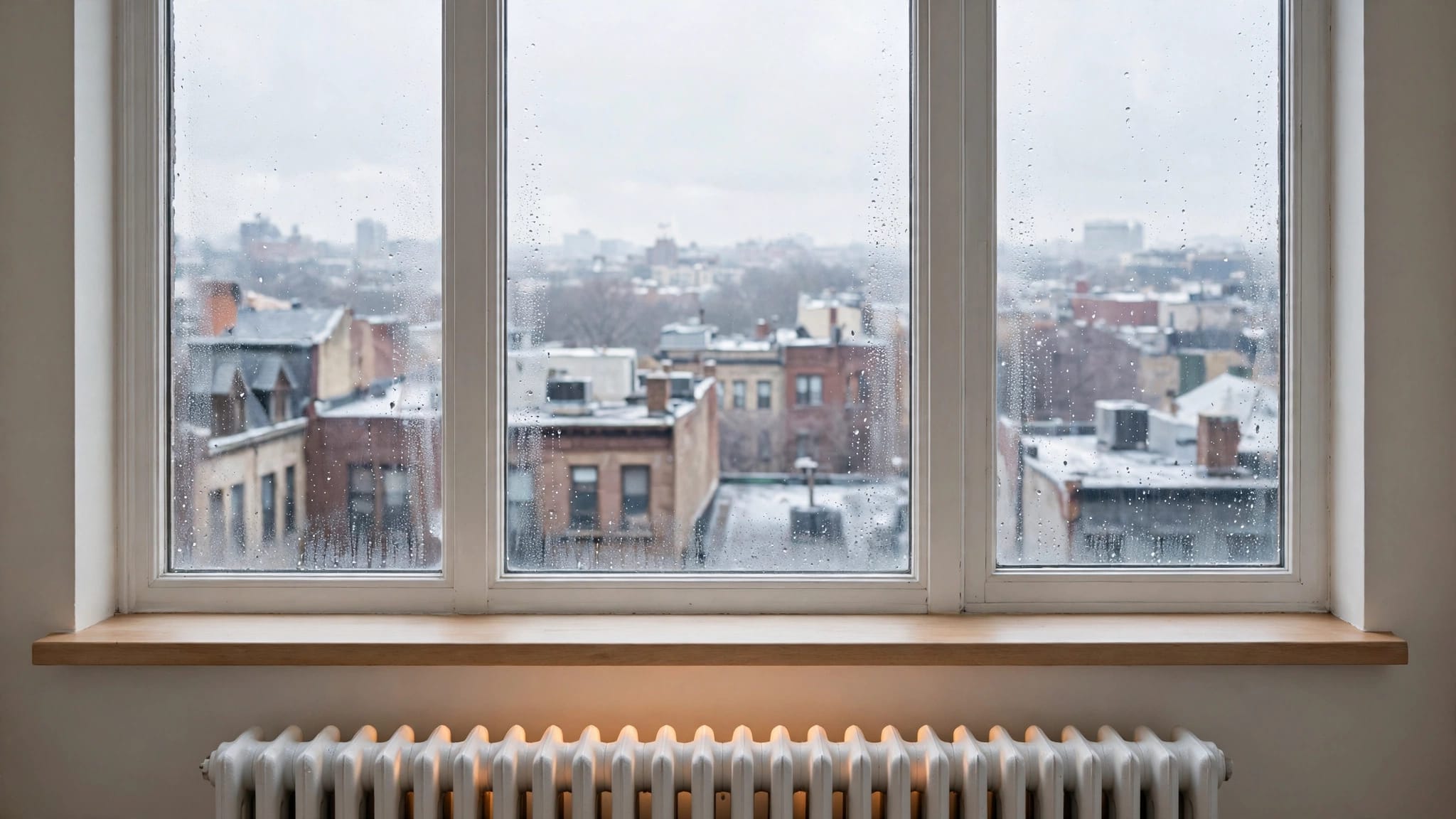
Philadelphia Apartment Condensation: Keep Windows Dry

Philadelphia apartment condensation usually starts when humid indoor air meets cold window glass. You can reduce it by controlling indoor humidity, using exhaust fans, and keeping warm air moving around windows.
However, daily puddles, damp walls, or fog trapped between panes deserve a maintenance request. Start by identifying where the water appears, because surface condensation and a leaking window need different fixes.
Key Takeaways
Keep indoor humidity around 30% to 50%, and below 60%, following EPA guidance. Cold windows may need lower humidity during winter.
Use bathroom and kitchen exhaust fans, and keep curtains and furniture clear of heating vents.
Dry wet glass and sills promptly. Report recurring moisture, damaged trim, and fog between panes.
Window moisture doesn't measure carbon monoxide; leave and call 911 for a CO alarm or suspected carbon monoxide poisoning. Stay outside if fire officials have evacuated the building.
Why Apartment Windows Collect Moisture
Condensation forms when a surface is cold enough for water vapor in the surrounding air to become liquid. In Philadelphia winters, outdoor temperatures cool the glass while showers, cooking, and everyday activities add moisture indoors.
Identify Surface Condensation
Water on the room-facing glass often appears overnight, especially behind closed blinds. Bedrooms can collect moisture because people release water vapor while breathing, and closed doors limit circulation.
If droplets wipe away from the indoor surface, you're dealing with surface moisture. That doesn't automatically mean the window is defective. However, repeated soaking can damage paint, wood, and nearby drywall.
Summer moisture can follow a different pattern. Humid outdoor air may condense against air-conditioned glass, sometimes leaving droplets outside the window. Indoor moisture control won't remove exterior condensation.
Distinguish Condensation From a Window Problem
Fog trapped between sealed panes usually indicates a failed insulating-glass seal. Because the moisture sits inside the glass assembly, wiping either exposed surface won't remove it.
Meanwhile, water that appears during rain, trails down a wall, or pools at one frame corner may indicate leakage. Photograph the location and note the weather.
Our guide to apartment window quality explains other warning signs, including drafts, damaged seals, and deteriorating frames.
Manage Indoor Humidity Before It Reaches the Glass
Measure Humidity Instead of Guessing
A hygrometer measures relative humidity. Place it away from shower steam, direct sunlight, and the cold window itself so the reading better reflects the room.
The EPA's mold and moisture guide recommends humidity below 60%, ideally between 30% and 50%. Those are general moisture-control targets, not Philadelphia legal limits.
During a cold spell, you may need the lower end of that range to keep glass dry. Record morning readings alongside window conditions. If moisture appears despite moderate humidity, cold surfaces or limited airflow may also need attention.
Reduce Added Moisture and Use Dehumidifiers Wisely
Turn down or pause a humidifier when windows begin collecting water. Cover simmering pots, avoid drying large loads of laundry indoors, and report a dryer that leaves the room unusually damp.
A portable dehumidifier can help during humid weather or in persistently damp rooms. Choose one rated for the room's size, follow its operating-temperature limits, and empty its reservoir regularly.
However, a dehumidifier can't repair rain intrusion, a plumbing leak, or a failed window seal. If the unit collects water continuously while the same area stays wet, report the underlying problem.
Improve Airflow Without Sacrificing Winter Comfort
Let Warm Air Reach the Window
Open curtains and raise blinds during the day so room air can reach the glass. Keep sofas and storage away from heating registers. Never drape curtains over a radiator or heater.
A small fan can improve circulation near a window, although it won't remove moisture from the apartment. Position it safely away from water and follow the manufacturer's placement instructions.
Keep the apartment adequately heated. Philadelphia's heating season runs October 1 through April 30, when rental heating systems must maintain at least 68°F in required living spaces. Report a persistently cold room rather than relying on an oven or stove for heat.
Exhaust Moisture Where It Starts
Run the bathroom fan during showers and afterward until lingering moisture clears. Use the kitchen exhaust while cooking, especially when boiling water.
A recirculating range hood filters air but doesn't carry moisture outdoors. Likewise, a bathroom fan that makes noise without removing damp air may need service.
Our apartment bathroom ventilation guide covers signs of inadequate ventilation. When weather and outdoor air quality allow, briefly opening a window can also release humid indoor air. Avoid leaving windows open during freezing weather.
Dry Wet Windows Before Materials Stay Damp
Wipe droplets from glass and sills with an absorbent cloth, then dry the surface. Remove damp curtains or other wet items from direct contact with the frame.
Don't leave a towel on the sill all day. Once saturated, it can hold moisture against wood or painted trim.
EPA recommends drying wet materials within 24 to 48 hours after a leak or spill to prevent mold growth in most cases. That window isn't permission to ignore daily condensation. Repeated wetting can keep materials damp even when the glass looks dry later.
Report musty odors, recurring spots, soft trim, or swollen flooring. Don't paint over damp surfaces or disturb peeling paint in an older apartment.
If mold covers a substantial area, keeps returning, or accompanies significant water damage, request professional assessment. Cleaning alone won't resolve an ongoing moisture source.
Know When to Contact Your Landlord
Send a written maintenance request when condensation repeatedly soaks the sill, moisture appears between panes, or water accompanies rain. Broken exhaust fans, inadequate heat, and damaged window hardware also need attention.
Include the room, affected window, date, photos, and whether the moisture followed cooking, showering, or rainfall. Add humidity and temperature readings if you have them. These details help maintenance distinguish excess indoor moisture from a building problem.
Your landlord is responsible for maintaining a safe, livable rental, including building systems and weather protection. Residents can reduce everyday moisture, but ask maintenance to investigate recurring moisture in your apartment building if humidity and airflow changes haven't helped. Window replacement, leak repairs, and ventilation repairs belong with qualified maintenance staff.
Keep copies of requests and provide reasonable access for repairs. At The Columbia, we encourage residents to report recurring moisture promptly rather than waiting for visible damage.
If an unresolved condition raises a housing-code concern, use Philadelphia L&I's code-enforcement process through 311. Describe the actual condition, such as an active leak or failed heat, rather than assuming all condensation is a code violation.
Keep the Chester Avenue CO Incident Separate
Window condensation and CO are different safety issues. Droplets can't tell you whether CO is present, and dry windows don't establish that combustion equipment is operating safely. A suspected carbon monoxide leak is a separate emergency from window condensation, and the Chester Avenue reports didn't establish a final cause.
On November 15, 2022, CBS Philadelphia reported a fatal incident on the 4300 block in Southwest Philadelphia. Francis Horst, 59, a male resident, was found dead in his first-floor apartment. Officials preliminarily suspected carbon monoxide poisoning, but reporting didn't establish the male resident's cause of death. The cited reports don't state what investigators ultimately concluded.
A maintenance worker was handling a heating issue when crews arrived. Fire officials measured 275 parts per million of CO and evacuated the building. The fire officials' response was specific to this incident, not a universal threshold. Don't use the 275-ppm reading to preliminarily assess risk in another apartment.
NBC10's separate incident report said 13 residents, more than a dozen people, were evacuated. The emergency involved dangerous CO levels, not a documented window-condensation problem.
If a CO alarm sounds in an apartment complex or apartment building, or you suspect poisoning because of headache, dizziness, nausea, or confusion, leave immediately and call 911 from outside. Don't remain inside to inspect a boiler, open windows, or investigate a suspected leak.
FAQs About Philadelphia Apartment Condensation
Is Morning Window Condensation Always a Repair Problem?
Occasional light moisture during cold weather can respond to lower humidity and better airflow. Daily puddles, deteriorating finishes, or persistent moisture despite those changes need a maintenance request. The pattern and resulting damage matter more than a single foggy morning.
Will Turning Up the Heat Stop Condensation?
Warmer glass can reduce condensation, but added heat doesn't remove water vapor. Maintain comfortable, adequate heat while controlling humidity and using exhaust fans. If one room remains cold despite the heating system running, document its temperature and report it.
Should I Seal My Windows With Plastic Film?
Interior insulating film can reduce heat loss when suitable for the window, but it won't repair leaks or failed glass seals. Get management's approval before applying products. Don't cover ventilation openings, drainage paths, locks, or a required emergency escape window.
Can a Humidity Monitor Detect Carbon Monoxide?
No. A hygrometer measures humidity, while a CO alarm detects the gas. EPA guidance on this hazard relays the CPSC recommendation for CO alarms on each level outside sleeping areas. Follow alarm instructions for placement, testing, and replacement.
Keep Windows Dry and Report Recurring Moisture
Preventing window condensation starts with moisture control and steady airflow. Measure humidity, vent showers and cooking, and dry wet surfaces before surrounding materials stay damp.
Recurring puddles, rain-related leaks, and fog between panes need a maintenance response. A clear written report helps distinguish a daily humidity issue from a repair, so the underlying problem gets attention.



Comments