

Philadelphia Apartment Fire Safety Checks Before You Sign

A bright kitchen and a good rent price can't warn you about a 2 a.m. fire, like the Fairmount fire, or the property damage it can cause. Philadelphia rental fire-safety basics include working alarms, clear exits, safe wiring, and landlords who fix hazards before move-in.
That matters in rental homes of every type, from a newer mid-rise to an older rowhome conversion. Residential fires spread quickly, so take your time during the tour, test what you can, and get repair promises in writing.
Review the documents first, then inspect the apartment as if you already live there.
Key Takeaways
Ask for the current Certificate of Rental Suitability before you sign, because it confirms the owner has stated that key safety systems work.
Test smoke alarms during the tour. An alarm that chirps, is missing, or fails its test button needs attention before move-in.
Trace your route from the apartment to the street, including any shared hallway, stairwell, and rear exit.
Look closely at outlets, power strips, portable heaters, and kitchen appliances, especially in older buildings.
Photograph hazards and send repair requests by email or through the resident portal. A verbal promise is hard to prove later.
A Fairmount fire can show why charming original details don't replace modern fire-safety basics. Age never excuses a missing or disabled alarm.
Philadelphia Apartment Fire Safety: Start With the Rental Papers
Fire safety starts before the walk-through. Philadelphia landlords must provide prospective tenants with a Certificate of Rental Suitability issued within the previous 60 days.
The Certificate Is More Than Paperwork
Request a copy of the Certificate of Rental Suitability before signing. The owner certifies that the property is safe and habitable, with fire protection and key safety features, including smoke detectors, in working order.
Read it alongside the lease and any available safety inspections, then compare those records with the apartment you toured. These documents support your review, but they don't replace your own walk-through. If the unit is managed by the Philadelphia Housing Authority, ask which agency or office handles current alarm and repair records.
If the certificate says the alarms work, but a detector has been removed or doesn't respond to its test button, raise the issue immediately.
Older rowhomes and small duplexes may follow different retrofit rules under local building codes than larger or newly built apartment buildings. They may not have sprinkler systems or an exterior fire escape. Even so, they need working alarms, usable means of egress, and safe electrical systems.
Put Pre-Move-In Repairs in Writing
Take dated photos of alarm locations, blocked doors, damaged outlets, and any missing covers. Then send a short written request that names the problem and asks when it will be fixed.
For example, ask: "Will the loose outlet beside the radiator be repaired before move-in?" If management agrees, ask for the repair date and scope by email. A signed lease addendum is even better when a repair affects your decision to rent.
Check Alarms, Carbon Monoxide Detection, and Fire Equipment
The 2022 Fairmount fire, which resulted in 12 fire deaths, remains a painful reminder of why basic protections matter. City investigators found six inoperable or disabled smoke alarms in the unit where the fire started, highlighting preventable risks in residential fires.
Test Every Alarm During the Tour
Philadelphia guidance says landlords must provide smoke alarms on every level when you rent a house or apartment. Look for alarms in bedrooms, near sleeping areas, and on each floor. Press the test button while you are touring, with the leasing agent's permission.
A working alarm makes a clear, loud sound. Don't accept a loose device on a shelf, a detector covered in paint, or a vague promise that someone will replace batteries later.
The U.S. Fire Administration's smoke-alarm guidance recommends monthly testing. For battery-operated smoke alarms, replace the battery at least yearly, and replace the whole alarm after 10 years.
Ask About Carbon Monoxide and Extinguishers
Carbon monoxide alarms matter when the building has a gas furnace, gas stove, boiler, fireplace, wood-burning appliance, or attached garage. Ask where the alarms are located and whether the building's heating equipment has had recent service.
Don't assume every apartment must contain a portable fire extinguisher. Philadelphia's rules vary by building type, and one- or two-unit homes are treated differently from larger residential buildings. However, a building with common-area fire extinguishers should have them mounted where residents can access them, with current inspection tags.
An extinguisher is useful for a small, contained fire only when you have a clear way out. If smoke grows or spreads, leave immediately and call 911.
Follow the Exit Before You Fall for the Layout
A beautiful unit loses its appeal if the route out is confusing or blocked. Before signing, walk each bedroom's emergency escape route to the street.
Check Every Means of Egress
Open the front door, the apartment door, and any required rear exit. In an apartment building, inspect the means of egress by following the hall to the stairs. Confirm that doors don't stick, lock improperly, or lead to storage clutter.
Pay close attention to:
Boxes, bikes, furniture, trash, or strollers in shared halls and stairwells.
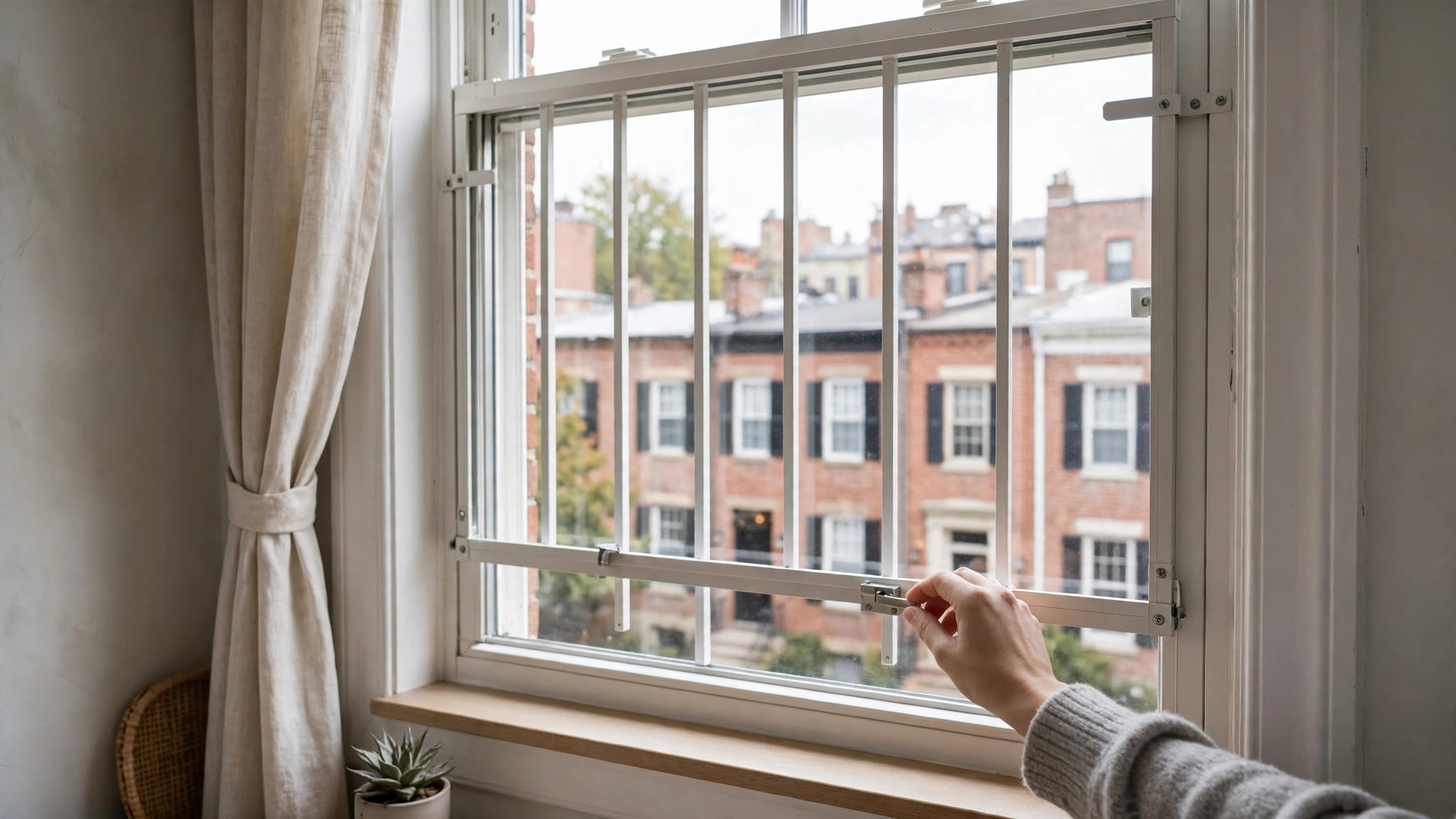
Security bars on windows that lack an obvious, working interior release.
Narrow rear passages, gates, or basement doors that are hard to open.
Bedroom windows that are painted shut or blocked by heavy furniture, limiting window exits.
Make a Plan for the First Night
For emergency preparedness, make a fire escape plan that identifies two ways out of each room when possible. Choose a meeting point outside, such as across the street or at a nearby corner, where everyone can be counted.
Practice the route twice a year with children, roommates, or frequent overnight guests. During a fire, get out, stay out, and call 911 from outside. Don't return for a phone, pet carrier, or valuables.
Inspect Electrical, Heating, and Cooking Risks
Many residential fires start with ordinary routines. Electrical fire safety helps limit injury, property damage, and emergency risks from damaged outlets, overloaded power strips, or unattended pans.
Look for Trouble Around Outlets and Cords
Scan every room for loose outlets, broken cover plates, scorch marks, frayed cords, or switches that feel hot. Turn lights on and off, then watch for flickering, buzzing, or tripping breakers that may indicate a fire hazard.
Power strips are fine for low-draw electronics when used properly. However, chained strips, extension cords under rugs, and adapters packed into one outlet are warning signs. Ask the landlord to repair unsafe wiring instead of working around it.
Check Heating and Kitchen Conditions
A portable space heater should plug directly into a wall outlet, never a power strip or extension cord. It also needs at least three feet of open space around it, away from bedding, curtains, and furniture. During the holidays, keep Christmas trees and decorations away from radiators, space heaters, and other heat sources to reduce the risk of a Christmas tree fire.
Practice cooking fire safety in the kitchen. Check that the stove controls work, the oven door closes securely, and grease buildup isn't caked around burners. Ask how to report a gas smell, a failed pilot light, or a heating problem after hours.
Speak Up Before You Sign, Then Escalate if Needed
A responsible property manager should welcome clear questions about safety. Their response often tells you as much as the condition of the apartment.
Know When to Pause or Walk Away
Pause the lease process if you find an alarm that won't test, exposed electrical wiring, an exit blocked by permanent clutter, a strong gas odor, or an owner who refuses to document repairs.
Ask for a written repair plan. If the answer stays vague or the issue remains unresolved, choose another apartment. You shouldn't have to negotiate for the safety basics required in a rental home.
Report Urgent Problems the Right Way
After move-in, report a failed alarm or serious hazard in writing through every contact method listed in your lease. Prompt reporting supports fire prevention and tenant safety.
Documented alarm failures after the Fairmount fire show why a failed alarm deserves prompt written action. Save photos, emails, portal screenshots, and the date of each call. Preserve these records if an unresolved hazard causes property damage.
You can request a free smoke alarm installation through Philly311, and the Philadelphia Fire Department will install it. The city's fire-safety service page also explains how to report a possible fire-code violation.
Call 911 if there is fire, smoke, an active gas emergency, or immediate danger. Don't stop paying rent or pay for major repairs and subtract the cost on your own without local legal advice. Those steps can create serious problems when handled incorrectly.
A Safer Lease Starts With a Better Tour
Philadelphia apartment fire safety comes down to details you can see and test before a lease locks you in. The Fairmount fire offers relevant lessons, and these fire safety tips can guide a careful tour.
Working alarms, clear exits, safe electrical conditions, and written repair commitments can help reduce the risk of residential fires. They deserve the same attention as rent and square footage.
Keep your photos, fire escape plan, move-in checklist, and written messages in one folder. A clear paper trail protects you if a safety concern resurfaces after move-in.
Frequently Asked Questions
Are Older Rowhomes Held to Different Fire Safety Rules?
Yes. Older one- and two-unit properties may have different retrofit requirements than newer or larger apartment buildings. However, older construction doesn't excuse missing smoke alarms, blocked exits, or dangerous wiring.
Are Fire Extinguishers Required in Every Apartment?
No. Portable extinguisher requirements depend on the building type and layout. Ask where the nearest unit is located, how it is maintained, and whether it's accessible from your apartment.
Does Philadelphia Inspect Every Small Rental Property?
Philadelphia doesn't routinely inspect every small rental on a set schedule. Rental suitability certification, tenant reports, and code enforcement complaints play a major role, so renters should inspect carefully and report hazards promptly.
What Should I Do if My Smoke Alarm Stops Working After Move-In?
Don't delay reporting a failed alarm, especially after a Fairmount fire. Notify management in writing right away and save proof of your request. If the landlord doesn't respond, contact Philly311 for a free smoke alarm installation and report the safety concern to the city.


Comments