

Philadelphia Apartment Living Tips for Smarter Renting

Updated: Jul 5
Finding the right place to call home is the first step toward a great city experience. Whether you are browsing current apartments for rent or just starting your search, a well-chosen space can make urban life feel effortless. Conversely, a poor choice can drain your budget, test your patience, and turn minor maintenance issues into daily sources of stress.
That is why Philadelphia apartment living works best when you plan for more than rent alone. Whether you are eyeing luxury apartments or historic walkups, the right block, a clear lease, and a few smart habits matter just as much as square footage. This is especially true if you are considering life in Center City Philadelphia, where being strategic about your location and your contract will save you time and money. Start with the basics below, then get more selective as you narrow your search.
Key Takeaways
Keep your monthly rent close to 30 percent of your income, then factor in utilities, internet, parking, and renters insurance.
Judge the block, not only the unit. Visit at different times if you can.
Read the lease slowly, and get any promises in writing before you sign.
Take photos at move-in, report repairs to your property management company promptly, and save every email and payment record.
Build a Budget That Fits City Life
Rent is only the front door cost. In Philly, your monthly rent may also include gas, electric, water, Wi-Fi, parking, laundry, and pet fees.
A simple rule helps. Try to keep rent near 30 percent of your monthly income. If you are searching for apartments for rent, consider whether studio apartments, one bedroom apartments, or 2 bedroom apartments better suit your needs and budget. If a place stretches your finances, look closer at what is included in the monthly payment. Choosing luxury apartments that offer perks like in-unit laundry, bike storage, or a secure package room may save you time and money each month, even if the base price is a little higher.
Start searching about four to eight weeks before your target move date. That gives you enough time to compare places without rushing into a lease that does not fit your lifestyle. It also helps you gather pay stubs, ID, references, and bank records before application fees start piling up. Keep in mind that if you are applying for furnished apartments, landlords may require additional documentation regarding the lease terms for the included furniture.
Pick the Right Block and Tour With Care
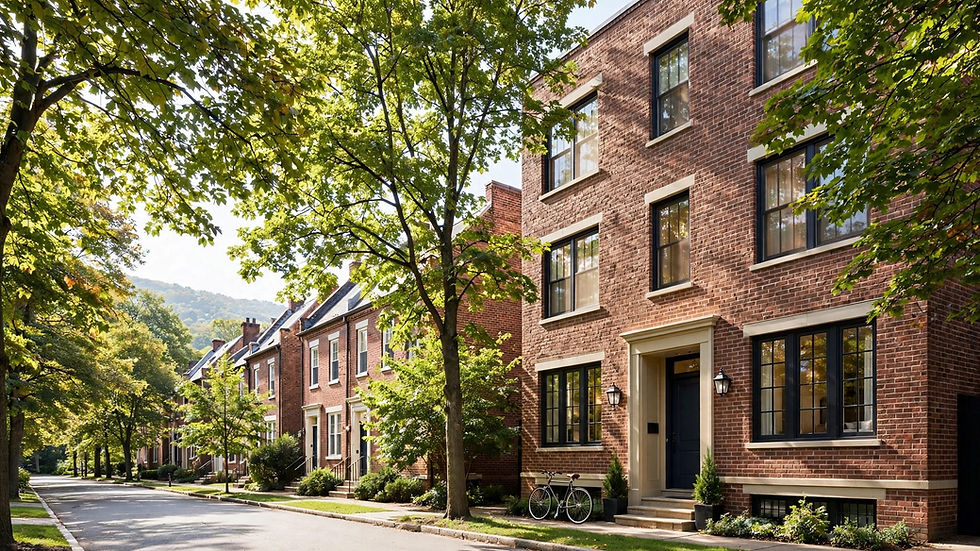
Your choice of neighborhood shapes your daily life more than you might expect. A beautiful apartment feels very different depending on the area, as you will find unique vibes in spots like Center City Philadelphia, Old City, Fishtown, and Northern Liberties. A perfect apartment is only as good as its surroundings, so consider whether groceries are nearby, street parking is manageable, or the block stays quiet after dark.
Take time to evaluate the walk around the building rather than focusing solely on the unit. Look for walkable access to local transit and check the proximity of reliable public transportation to make your commute easier. Pay attention to local lighting, trash pickup, and general noise levels. If possible, visit the area during the day and again in the evening, as morning calm does not always last once the sun goes down.
Inside the apartment, slow down and conduct a thorough inspection. Open cabinets, test the windows, and check every lock. Look at ceilings for water stains and corners for signs of pests. Turn on faucets and lights to ensure everything works properly. If you are looking at rentals in areas like Logan Square, Washington Square West, or University City, keep in mind that a prime location often comes with modern finishes and high-end stainless steel appliances that add significant value to your home.
Finally, ask how the heat and cooling systems function and clarify who handles maintenance requests. If the building offers modern amenities like a fitness center, elevator access, or a rooftop terrace, think about whether you will use them often enough to justify the monthly rent.
Read the Lease and Keep Records
A lease is where good tours meet real life. Read every page, especially the sections covering property management policies regarding late fees, renewals, guest rules, pets, move-out notice, and what happens if you need to break the lease early.
If a landlord or leasing agent promised something during the tour, ask for it in writing. That includes repair timing, parking, furniture, included utilities, or fee waivers. You should also confirm with the property management if there is any current special offer or move-in incentive that should be clearly documented before you sign your agreement.
Anything that matters later should appear in writing before you sign.
If you hit a repair problem or a rights issue, local help matters. Understanding these rules is vital for maintaining high resident satisfaction. Philly Tenant explains city-specific renter protections, while Philadelphia Legal Assistance's landlord-tenant guide covers common disputes in plain language. Those resources are useful if you are dealing with heat problems, inspections, or pressure from a landlord or property management team.
Also, keep a paper trail from day one. Save your lease, receipts, screenshots of rent payments, and maintenance requests. In any housing dispute, organized records do more for you than a strong memory.
Make Daily Life in Your Apartment Easier
Move-in day is not the finish line. It is the official start of your Philadelphia living experience. Before you unpack your boxes, take clear photos or videos of every room, including close-ups of any existing dents, stains, chipped paint, or appliance wear.
Set up your household basics early to better manage your urban lifestyle. Put utilities in your name, secure renters insurance, and learn the specific building routine for trash, mail, package deliveries, and maintenance. Whether you are navigating pet-friendly policies or learning how to reserve common spaces, establishing these small habits early on saves a lot of friction. Building these systems is why features like a secure bike room, a dedicated package room, or a quiet study nook often improve your daily life more than flashy, unused extras.
When evaluating your home, remember that a prime location paired with modern amenities, such as a rooftop terrace or a well-equipped fitness center, can make city living feel effortless. If something breaks, report it to your property manager immediately. Leaks, pest issues, and weak heating systems only get worse when they sit. If you have a pet, stay especially vigilant about reporting maintenance needs in shared areas to help keep pet-friendly spaces safe and clean for everyone. If you need a simple move-in or move-out checklist, the Philly Tenant Resource Guide is a practical and easy resource to follow.
Conclusion
Finding the perfect home is about much more than browsing through high-quality photos online. The best unit is the one that aligns with your budget, your daily routine, and your unique vision for Philadelphia apartment living. By prioritizing a lifestyle that works for you, you ensure that your new space remains a sanctuary rather than a source of stress.
If you stay focused on vetting the block, understanding your lease, and maintaining a clear paper trail, the process of finding apartments for rent in Center City Philadelphia becomes much more manageable. Diligent organization is the key to a successful living experience, turning a simple rental into a place that feels steady and comfortable. Ultimately, the right choice is found at the intersection of practical research and personal needs, helping you settle into the city with confidence.
Frequently Asked Questions
How Early Should I Start Looking for an Apartment in Philadelphia?
You should begin your search about four to eight weeks before your move. This window provides ample time to compare different unit types, such as studio apartments, one bedroom apartments, or 2 bedroom apartments, to see what fits your monthly rent budget. Whether you are looking for apartments for rent in quiet residential pockets or in the bustling heart of Center City Philadelphia, starting early helps you collect your documents and avoid the stress of panic-signing the first unit you see.
What Should I Check During an Apartment Tour?
Do not let yourself be distracted by luxury apartments with modern finishes. Look past the aesthetic details and test the functional elements, including windows, locks, lights, outlets, water pressure, appliances, and closet space. Inspect the space for signs of water damage, mold, or pests, and be wary of quick cosmetic fixes that might hide larger underlying issues. Making sure the basics work is just as important as the style of the unit.
Do Philadelphia Renters Need Renters Insurance?
While it is a smart idea regardless, your property management company or community associations may actually require you to carry a policy. Renters insurance is usually quite affordable, and it provides vital protection for your belongings in the event of theft or fire. If you live in a pet-friendly building, some policies also offer liability protection related to your animals, ensuring you have peace of mind regarding your personal assets and your living situation.

Comments