
Request a Disability Accommodation in Philadelphia

To request a disability accommodation in a Philadelphia rental, tell your landlord what change you need and how it relates to your disability. You can ask verbally, but a written request makes it easier to document the need, track the response, and resolve disagreements.
You don't need legal language or a detailed medical history to start the conversation. The first step is understanding whether you're asking for a policy exception, a physical change, or both.
Key Takeaways
A reasonable accommodation changes a housing rule, policy, practice, or service because of a disability-related need.
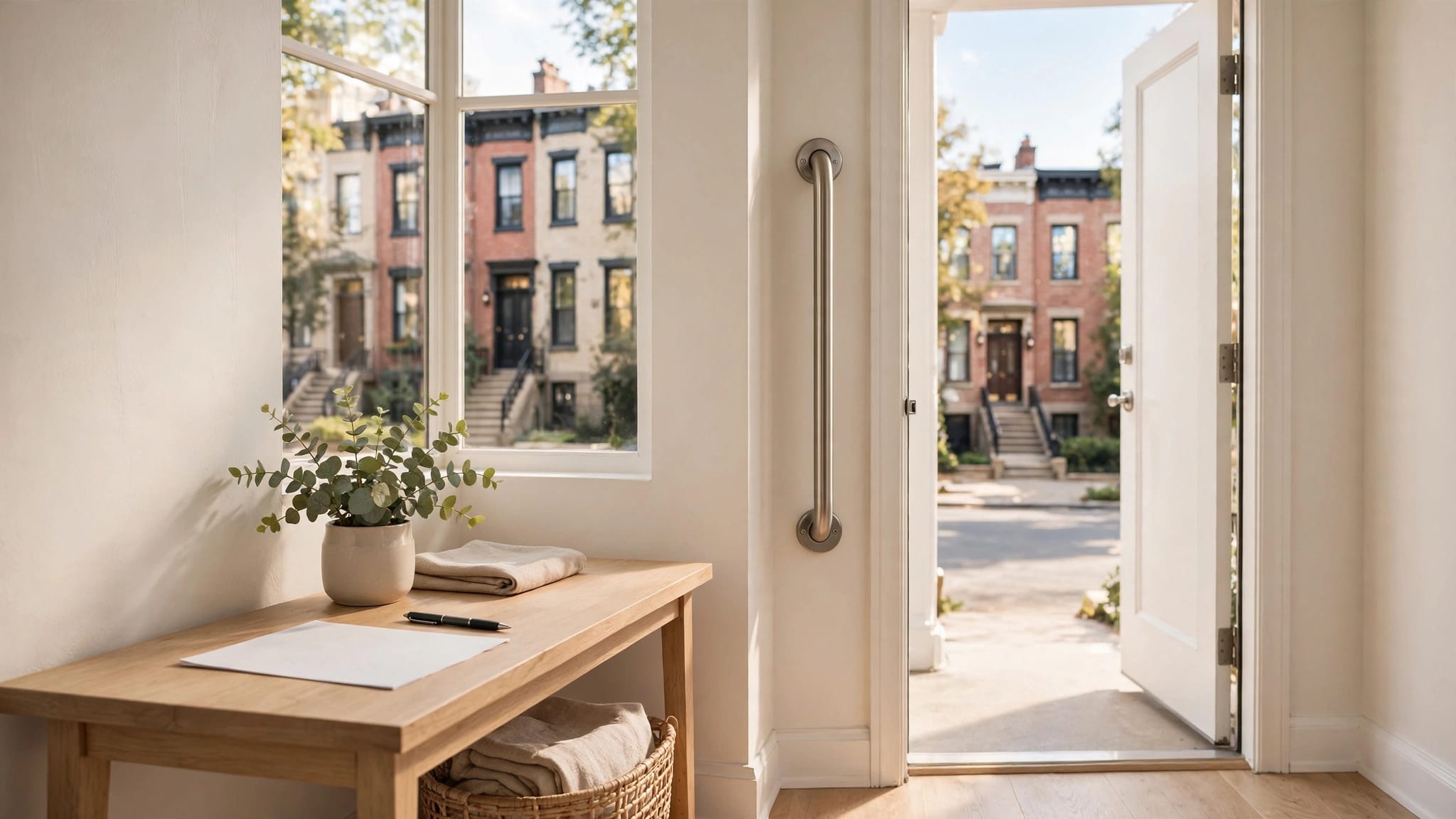
A reasonable modification changes the property itself, such as installing grab bars.
Explain the connection between your disability-related need and the requested change, while limiting unnecessary medical disclosures.
Save your request, supporting information, and management's responses. Philadelphia and Pennsylvania discrimination complaints have different filing deadlines.
Understand Your Housing Protections
Federal and Philadelphia Laws Apply
The federal Fair Housing Act requires covered housing providers to make reasonable accommodations when necessary for someone with a disability to use and enjoy their home equally. These protections extend beyond move-in to applications, lease terms, services, and other housing decisions.
The city's Fair Practices Ordinance also prohibits disability discrimination in housing. The city's human relations regulations explain its enforcement framework. Our guide to local fair housing laws covers broader rental protections.
Most residential rentals fall under the federal housing law, although exemptions exist. A building's age alone doesn't eliminate accommodation obligations.
Disabilities Can Be Visible or Nonvisible
A disability generally involves a physical or mental impairment that substantially limits a major life activity. A renter doesn't have to use a wheelchair or have an obvious impairment to qualify.
The relevant issue is the connection between the disability and the housing change. For example, mobility-related parking needs and disability-related communication needs require different solutions. A family member, caregiver, or advocate can help communicate a request on the renter's behalf.
Separate Policy Exceptions From Physical Changes
An Accommodation Changes How Housing Operates
A reasonable accommodation changes a rule, policy, practice, or service. Common requests include an exception to a no-pets policy for an assistance animal, an assigned parking space near an entrance, or an accessible way to receive communications.
Each request needs a disability-related reason. For parking, identify spaces the housing provider controls, rather than assuming the landlord can reserve public street parking.
The request can address shared spaces and services as well as the apartment. Describe the actual barrier you're encountering instead of relying on a broad request for "accessible housing."
A Modification Changes the Property
A reasonable modification is a physical alteration, such as adding grab bars, installing a ramp, or widening a doorway. Under the Fair Housing Act, renters generally pay for necessary, reasonable modifications. Different payment obligations can apply in federally assisted housing.
HUD's reasonable modification guidance explains these distinctions. Discuss permission, installation, costs, and any lawful restoration conditions before work starts.
Our apartment accessibility guide also explains how entrances, bathrooms, and common areas affect everyday use.
Write a Clear Accommodation Request
Send your request to the landlord, property manager, or person responsible for accommodation requests. If the property identifies an accessibility coordinator, include that person.
Start with a direct sentence: "I'm requesting a reasonable accommodation because of a disability." Then identify your apartment or application and explain the specific change you need.
Describe the barrier in practical terms. For a parking accommodation, explain why the distance between the available parking and your entrance limits your access. You generally don't need to describe your entire medical condition.
Include timing when it matters. If you need the change before move-in or an upcoming appointment with management, explain the date and reason. Ask for written acknowledgment and a response about next steps.
A request doesn't need special terminology to count. The important information is that you need a housing-related change because of a disability.
Keep a dated copy and delivery confirmation. After a telephone conversation, send a short recap identifying what you requested and what management said it would do.
Applicants can request accommodations before signing a lease. Current tenants can request them when a disability-related need arises, even if they didn't disclose that need at move-in.
Limit Supporting Information to What's Needed
When the Disability and Need Are Apparent
If your disability and the connection to the requested accommodation are readily apparent or already known, additional disability verification generally isn't necessary. The conversation should focus on addressing the housing barrier.
However, the landlord may still need practical details about implementation. Those details could include which entrance you use or which communication format you need.
Keep that distinction clear. Information about how to provide an accommodation is different from a demand for extensive medical information.
When Further Explanation Is Reasonable
If the disability or the connection to your request isn't apparent, a housing provider may ask for reliable information sufficient to establish the disability-related need. That doesn't mean opening your complete medical history.
Provide information that addresses the question at issue. An explanation of the functional limitation and why the requested change helps is generally more relevant than unrelated treatment details.
If a request for records seems excessive, ask what information management needs to evaluate your accommodation. Keep copies of both the question and your response. Disability-related information should remain confidential and reach only those who need it to assess or implement the request.
Expect a Timely, Individual Review
Discuss Effective Alternatives
A landlord should assess your circumstances rather than reject the request because exceptions are inconvenient. If the original proposal raises a legitimate problem, discussion may identify another effective accommodation.
Explain why a proposed alternative would or wouldn't address your limitation. An option that leaves the access barrier in place may not meet your disability-related need.
A housing provider can refuse a request that would impose an undue financial or administrative burden or fundamentally alter its operations. That assessment depends on the facts, including resources, costs, and available alternatives.
Follow Up Without Treating Silence as Approval
Accommodation requests require prompt consideration. An unreasonable delay can amount to a failure to provide an accommodation, depending on the circumstances.
If management doesn't respond, follow up in writing. Restate the original submission date, the requested change, and any urgent consequences of waiting. Ask whether it needs limited additional information to make a decision.
Don't treat silence as permission to begin construction. Instead, seek a written decision and, where necessary, legal assistance before taking steps that could create a separate dispute.
Respond to a Denial or Discriminatory Treatment
Ask for the reason for a denial in writing. If the explanation identifies a practical concern, respond with information or an effective alternative. Keep the exchange focused on the disability-related barrier.
Also preserve evidence of unequal treatment. Save rental advertisements, screening instructions, changing rent quotes, and messages sent after you disclosed your need. If management says an apartment is unavailable while the advertisement remains active, capture dated screenshots. That discrepancy may support a complaint, though it doesn't establish discrimination by itself.
The Philadelphia Commission on Human Relations (PCHR) handles housing discrimination complaints through the city's housing discrimination complaint process. Its filing deadline is generally 300 days after the discriminatory act. The Pennsylvania Human Relations Commission has a separate complaint route with a generally shorter, 180-day deadline.
Don't assume that ongoing discussions with management extend those deadlines. Keep records of each refusal or related action.
PCHR's discrimination process is different from the Philadelphia Fair Housing Commission's process for certain unfair rental practices. An accommodation dispute can also involve retaliation, repairs, or eviction issues.
If you receive an eviction notice, threats, or pressure to withdraw your request, our tenant legal aid resources identify avenues for assistance. Reporting discrimination doesn't pause court deadlines or replace a response to an eviction case.
Frequently Asked Questions
Do I Have to Use the Landlord's Form?
A verbal request can be valid, and you generally don't have to use a particular form. Still, written communication provides a clearer record. A landlord's form may help organize the request, but the accommodation process shouldn't depend solely on completing its preferred paperwork.
Can an Assistance Animal Be an Accommodation?
Yes. An assistance animal can support a reasonable accommodation request when there's a disability-related need. Assistance animals aren't pets for fair housing purposes. HUD's assistance animal guidance explains requests involving animal restrictions and pet fees. A request still requires an individualized assessment.
Can I Request Help With a Philadelphia Housing Authority Application?
Yes. PHA's accommodation process includes assistance with admissions materials and interviews. Its accommodation contact number is 215-684-4453. Requests can go through the Admissions Office, a property manager, or its accessibility coordinator. Explain the disability-related barrier and the assistance you need.
Can I Be Punished for Requesting an Accommodation?
Retaliation for exercising fair housing rights is prohibited. Save threats, sudden adverse changes, or pressure to move after your request. Timing can be relevant evidence, but it doesn't automatically establish retaliation. Seek legal help promptly if management threatens eviction or interrupts essential services.
Keep Your Request Specific and Documented
A useful accommodation request connects a clear housing barrier to a specific disability-related change. Written records help everyone understand what you asked for, what information you supplied, and how management responded.
Start with the landlord or property manager and keep the conversation focused on an effective solution. If the process stalls or becomes discriminatory, preserve the evidence and seek help before filing deadlines pass.



Comments