
What $1,500 to $2,000 Gets You in a Philadelphia Apartment (2026 Edition)


If you’re hunting for a Philadelphia apartment in Philly with a $1,500 to $2,000 monthly budget, you’re in a very common lane for 2026. You’re not stuck scraping the bottom of apartments for rent listings, but you’re also not walking into every building and getting the biggest, brightest unit.
Most renters in this range land a 1-bedroom, sometimes a studio, and in a few value pockets a basic 2-bedroom. As a quick size reality check, studios often hover around 500 sq ft, many 1-bedrooms run 700 to 850 sq ft, and smaller 2-bedrooms tend to sit around 900 to 1,100 sq ft.
The 2026 vibe feels different than the frenzy years. Average rent looks flatter, vacancies are higher in some parts of the market, and move-in deals pop up more often, especially in larger buildings. That means you can compare options without panic, and you can ask questions (and sometimes negotiate) without feeling like you’re wasting anyone’s time.
The quick answer: what you can expect at $1,500, $1,750, and $2,000
Before neighborhoods and amenities, it helps to know what changes as you move up the range. More money doesn’t always buy “luxury apartments,” it usually buys a clearer choice: location vs space, and newer finishes vs older charm.
Citywide averages also depend on who’s counting and what they include. Some trackers put the average rent near the low $2,000s for the typical 1-bedroom (see the January 2026 Philadelphia rent report), while others land lower when they mix in more older stock and smaller buildings. Your real outcome will come down to your must-haves and how flexible you are on commute and building type.
Here’s the practical snapshot for a Philadelphia apartment:
Around $1,500: studios and smaller 1 bedrooms, usually 500 to 750 sq ft
At about $1,500, Philly apartments tend to feel like they were designed for real life, just on a tighter footprint. You’ll see studio apartments with a true sleeping nook, or 1-bedrooms where the bedroom fits a queen bed but not much else.
The compromises are usually the unglamorous stuff: a narrower kitchen, fewer closets, and a bathroom that’s clean but dated. Laundry is often shared (basement or first floor), and parking might mean street parking with a little nightly patience. In older walk-ups, you may not get an elevator, a package room, or central air.
Where does this price show up? Often a few blocks off the hottest strips, or in older buildings near transit, hospitals, and campuses. If you want to browse what “under $1,500” looks like right now, the listings on Apartments.com under $1,500 in Philadelphia are a good reality check for size and condition.
This tier fits best if you’re solo, you’re commuting most days, or you’re getting your first Philly apartment and want to keep your monthly spend predictable.
Around $1,750: the sweet spot for a comfortable 1 bedroom, often 750 to 900 sq ft
Around $1,750 is where a 1-bedroom apartment starts to feel less like a puzzle. You’re more likely to get a living room that can fit a real couch, a desk, and still leave a walkway. You’ll also see better separation between living and sleeping, which matters if you work from home or just don’t want your bed in the middle of everything.
At this price, you have a better shot at in-unit laundry, updated appliances, and storage that doesn’t require creativity (think deeper closets, a pantry cabinet, or built-ins). Some units add a small balcony or a shared courtyard. Management quality also becomes a bigger “feature” than people expect, because you can afford to be picky about responsiveness and building upkeep.
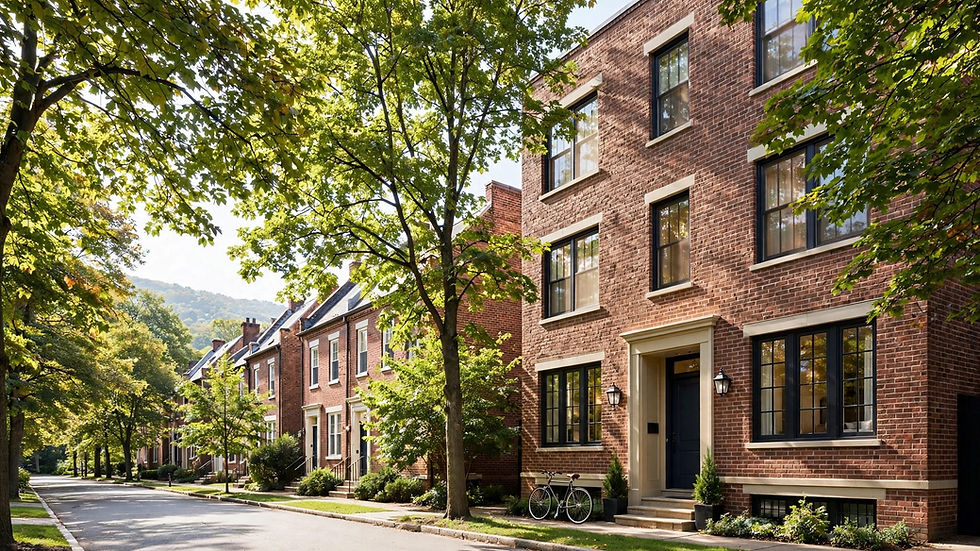
Photo by Andrea Davis
If you want a broad sense of what 1-bedroom inventory looks like across the city, Philadelphia 1-bedroom listings on RentCafe can help you compare layouts and building styles quickly.
Around $2,000: larger 1 bedrooms or a basic 2 bedroom in value areas, about 800 to 1,100 sq ft
At $2,000, you’re paying for one of two upgrades: space or newer building convenience. This is where “big 1-bedroom” becomes realistic, and where a basic 2-bedroom apartment can appear if you’re willing to focus on value neighborhoods or live a bit farther from the core.
The upgrade path often looks like better light (more windows, higher floors), a more modern kitchen, and higher odds of building perks like a small gym, package handling, bike storage, keyless entry, or a resident lounge. You may also see better HVAC setups, which can improve comfort during Philly’s humid summers.
The catch is location. In prime Center City style areas, $2,000 might still mean a smaller 1-bedroom, especially if the building is newer or amenity-heavy. If you’re scanning inventory at this ceiling, Redfin’s apartments under $2,000 in Philadelphia is a fast way to see how far your budget stretches across different parts of town.
Where you will get the most for your money, Philadelphia neighborhoods by neighborhood
In Philly, rent isn’t only about the unit. It’s the block, the noise, the parking reality, and whether your commute feels easy or exhausting. Two apartments with the same rent can live totally differently.
Also, 2026 has more deal-hunting opportunities than people expect. When a neighborhood has a lot of newer supply or a building has more vacancies, you may see concessions (like a free month) or faster approval. National coverage has been tracking rising vacancies and concessions in many markets, including new buildings, which is part of why renters feel more breathing room in 2026 (see this Homes.com report on vacancy-driven renter opportunity).
Here’s how the tradeoffs usually shake out by location.
Closer to Center City: you pay for walkability, not square footage
Closer-in neighborhoods around Center City and its orbit along the Schuylkill River usually charge you for the short commute and the “step outside and do things” lifestyle in this walkable city. The same $1,750 that gets you a roomy 1-bedroom farther out may get you a smaller unit, fewer closets, or older finishes near the core, like in Old City or prime spots such as Rittenhouse Square.
If you choose this route, make sure the tradeoff is worth it. Pay attention to sound (thin windows can turn a great street into a sleep problem), elevator reliability if you’re above the third floor, and package security. Also ask about total monthly cost, because older buildings can mean higher electric bills if heating and cooling are inefficient.
A lot of renters focus on base rent and forget that walkable areas can bring hidden costs in the form of parking fees or higher insurance. You might save time every day, but you don’t want to pay surprise money every month.
Near universities and major transit: steady demand, but good value if you pick the right block
Areas near major universities like University City, hospitals, and transit lines hold demand because they’re convenient. That can keep prices firm for studios and 1-bedrooms, and it can also shape the “feel” of buildings (more short-term turnover, more roommate-style setups, more August and September move-ins), unlike trendier comparisons such as Fishtown.
The good news is that strong transit like SEPTA can replace the need for parking, and that often saves real money. If you’re new to the city, look at your commute first, then search around it. Being near a reliable subway or trolley stop can make a smaller apartment feel like a smarter choice.
To avoid regret, check three things before you sign: how loud the street gets at night, whether the building skews student-heavy, and whether the lease cycle is pushing you into a rushed summer move. Philly’s housing pressure is still real even with more concessions, and local reporting has been blunt about ongoing strain for renters (see WHYY’s look at Philadelphia’s 2026 housing market pressure).
Value areas and outer neighborhoods: bigger layouts and more chances at a 2 bedroom
If your goal is space, value areas and outer neighborhoods are where $1,500 to $2,000 can feel like a different currency. Bigger bedrooms, actual dining space, easier parking, and modern amenities in places like Northern Liberties show up more often. You also see more small multi-unit buildings where the landlord is local and the rules are simple, especially in spots like West Philly or the Art Museum neighborhood.
That said, “farther out” comes with homework. Check bus frequency (weekends count), walkability to groceries, and your real commute time at rush hour. A place can look close on a map and still feel far if you’re transferring lines or waiting a long time between buses.
Late-night comfort matters too. Ask yourself how you’ll feel getting home after dark in winter, and plan your route from transit to front door. Space is great, but you still want daily life to feel easy.
What is included, what costs extra, and how to compare apartments the right way
The fastest way to blow a budget is to compare rental listings only by sticker rent. In 2026, you might find more specials and concessions, but fees didn’t disappear. Two units listed at $1,850 can land at totally different monthly totals once you add utilities, pet costs, and parking.
A helpful habit is to keep a one-page “true monthly cost” sheet for every apartment you tour. Ask questions the same way each time, then compare apples to apples. If the leasing agent can’t answer basic cost questions, that’s useful information too.
The real monthly cost: base rent plus utilities, fees, and parking
Most renters should expect some mix of these line items:
Electric (often tenant-paid)
Gas (sometimes tenant-paid, sometimes included)
Water and sewer (varies by building)
Internet and cable
Trash or valet trash (in some larger buildings)
Pet fee or
for your pet-friendly apartment (check if it's dog-friendly with local park access)
Amenity fee (gym, common spaces)
Application, admin, or move-in fees
Parking (monthly for parking garages, or permit-based street parking)
Ask for a written fee sheet before you apply, and ask for average utility ranges if the landlord has them. If you can talk to a current tenant in the lobby, do it. People will usually tell you the truth in one sentence.
Also, if a building offers a “one month free” special, ask how it’s applied. Sometimes it’s a true free month, sometimes it’s spread across the lease term. Both can be fine, you just want the math in writing.
Amenities that change your daily life in this price range
Between $1,500 and $2,000, some amenities are nice, and some are quality-of-life upgrades you’ll feel every day. Options span rowhomes, the common Philadelphia multi-unit style, brownstones for historic architectural charm, townhomes as an alternative building type, and high-rise towers.
In-unit laundry is the big one. It saves time, removes friction, and makes winter less annoying. After that, pay attention to HVAC. Good heating and cooling is comfort, but it can also keep bills steadier.
Package handling is another quiet upgrade. A secure package room or staffed system in high-rise towers can save you from missed deliveries and porch piracy stress. Bike storage matters if you ride often, and fitness centers are useful if they’re clean and close enough that you’ll actually use them.
Newer buildings also tend to have more energy-efficient systems. That doesn’t guarantee low bills, but it often improves temperature control and reduces hot and cold spots.
How to use 2026 market advantage without being pushy
Negotiating rent doesn’t have to feel awkward. Keep it simple, and keep it tied to facts.
Start by asking what specials are active right now and whether they change by floor plan. If you like the place, you can ask if any of these are on the table: a reduced parking rate, a waived admin fee, or a small upgrade like fresh paint or new blinds.
Timing matters. When units sit longer, buildings are more open to making a deal to fill them. Flexibility helps too. If you can move mid-month or adjust your start date by a week, that can make the leasing team’s job easier, and it sometimes comes back to you as a better offer.
The key is tone. Be direct, be polite, and be ready to apply if they meet you halfway on your Philadelphia apartment.
Conclusion
In Philadelphia in 2026, $1,500 to $2,000 usually gets you a Philadelphia apartment like a 1-bedroom, sometimes a studio, and occasionally a basic 2-bedroom, but a 3-bedroom apartment typically falls outside this range if you prioritize value areas over the hottest blocks like Center City. The best move is to pick your top three non-negotiables (location, space, laundry, parking, building security), then compare the true monthly cost, not just the advertised rent.
Tour a few different building styles in areas like Old City before you decide. If you want a newer-building feel in this budget range, look for modern, amenity-rich 1-bedroom apartments near transit in spots like Rittenhouse Square so your daily routine stays simple, even when the city gets busy. Explore Philadelphia neighborhoods for the best apartments for rent.


Comments